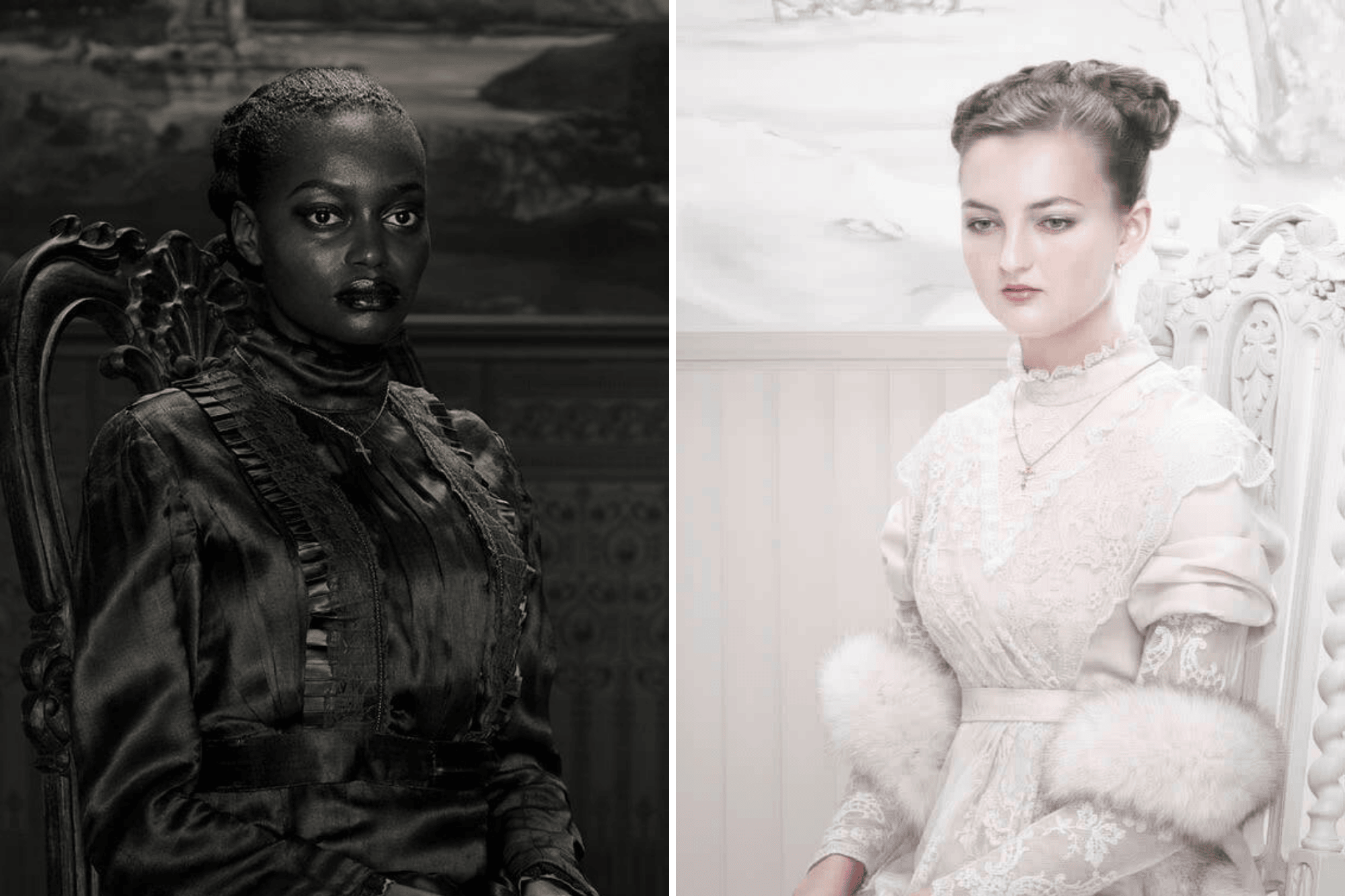
06 february 2026, Flor Linckens
Medieval miniatures and contemporary responses in the Stevenskerk
Until 6 April, the Stevenskerk in Nijmegen presents the exhibition 'Far & Near – Van Lymborch Brothers X Contemporary Artists’, bringing together a series of exceptional late medieval miniatures with 130 works by a exciting group of contemporary artists. The exhibition includes both existing works and pieces that were created especially for this occasion.
The starting point is the work by Herman, Paul and Johan van Lymborch, three brothers from Nijmegen who rose to prominence as court artists around 1400. They produced technically refined and visually rich works that are currently held in the collections of the Metropolitan Museum of Art in New York, the Musée Condé in Chantilly and the Vatican. Because these manuscripts are extremely fragile, they are rarely shown to the public. All three brothers died in 1416, around the age of thirty, presumably of the plague. As a result, their oeuvre is small, consisting of just six works. In Nijmegen, details from two of these manuscripts are presented through high-quality reproductions of fragments from 'Les Très Riches Heures' and 'Les Belles Heures’, two key works.
In the Stevenskerk, their work is placed in dialogue with the work of a range of contemporary artists. The exhibition 'Far & Near' is explicitly interdisciplinary in its design. Painting, sculpture, installation and textile are shown alongside photography, fashion, video and animation. This broad perspective reflects the way the Van Lymborch brothers themselves worked six hundred years ago, assembling images from everything within their field of vision, shaped by surprisingly international influences, made possible by the flourishing trade networks of the late Middle Ages.
Several artists represented on the GalleryViewer platform are featured in the exhibition, including Lita Cabellut (SmithDavidson and MPV Gallery), Claudy Jongstra and Jesk Jongstra (Galerie Fontana), Raquel van Haver (Kersgallery), Levi van Veluw (Galerie Ron Mandos), Hemaseh Manawi Rad (Galerie Bart), Erwin Olaf (Galerie Ron Mandos), Ruud van Empel (Galerie Fontana), Suzanne Jongmans (Galerie Wilms) and Nomin Zezegmaa (Galerie Bart). Other artists include Iris van Herpen, Desirée Dolron and Iris Kensmil.
The exhibition is structured around a series of ‘story rooms’, exploring themes such as Paradise, Mary, the human and world view, Death, Faith and hope, Heraldry and Calligraphy. The recognisable deep blue that runs as a visual thread through many of the works also plays a significan role.
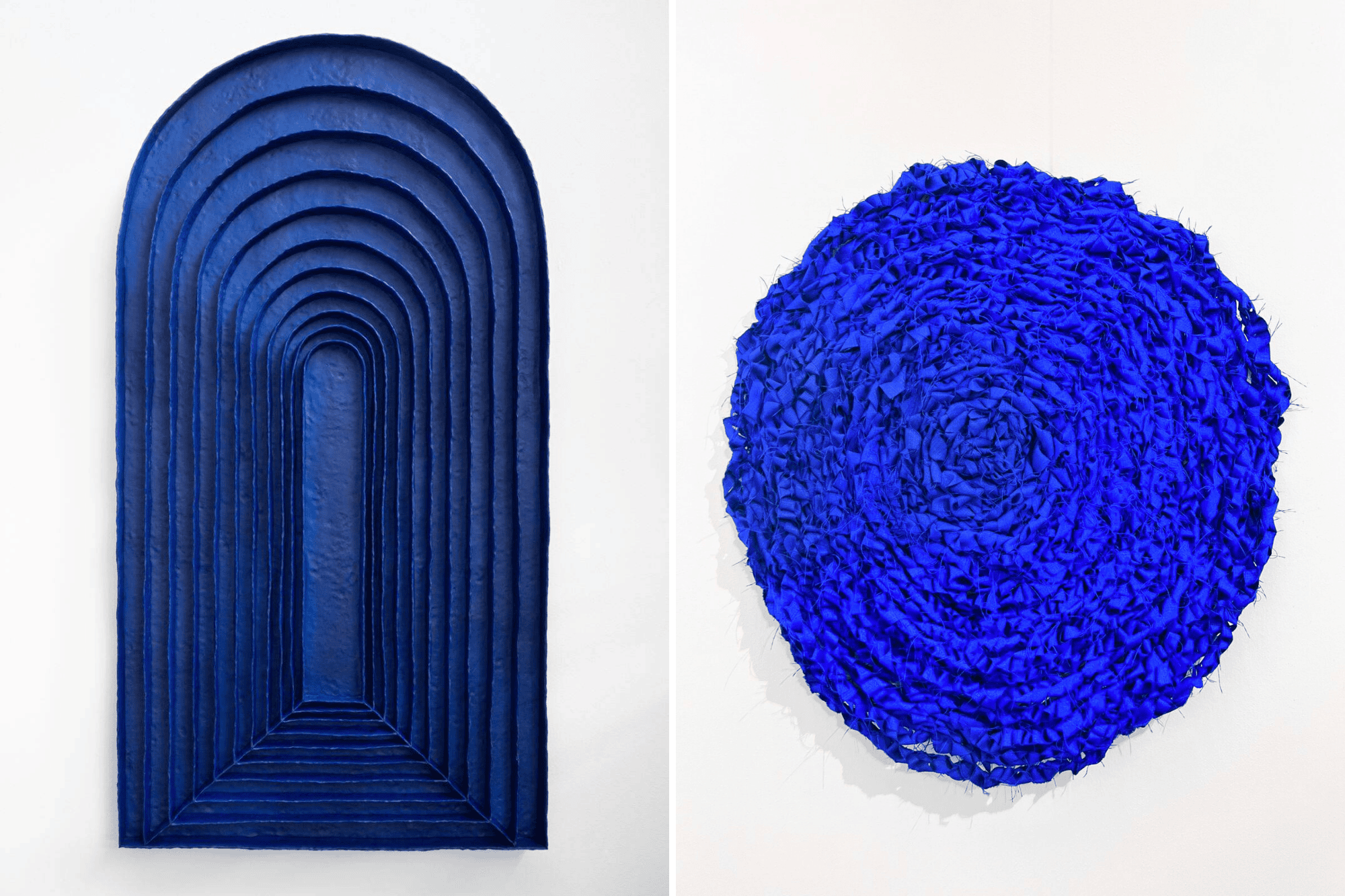
For the Van Lymborch brothers, the clear, luminous ultramarine was a precious pigment that represented heavenliness and order. In the work of the contemporary artists, this blue often takes on a more contemplative quality. Consider the architectural structures by Levi van Veluw, which almost function as passages or mental spaces, or the concentrated blue in the work of Nomin Zezegmaa, which evokes silence and meditative focus rather than decoration. Her practice is, for instance, often activated by performances. Both echo the concentrated, sacred blue of the miniatures without becoming figurative. The church also features a series of white works from Zezegmaa’s "Writing without writing (Shadow-writing)" series, executed in papier-mâché, thread and wax. These refer to calligraphy and, by extension, also to the work of the Van Lymborch brothers.
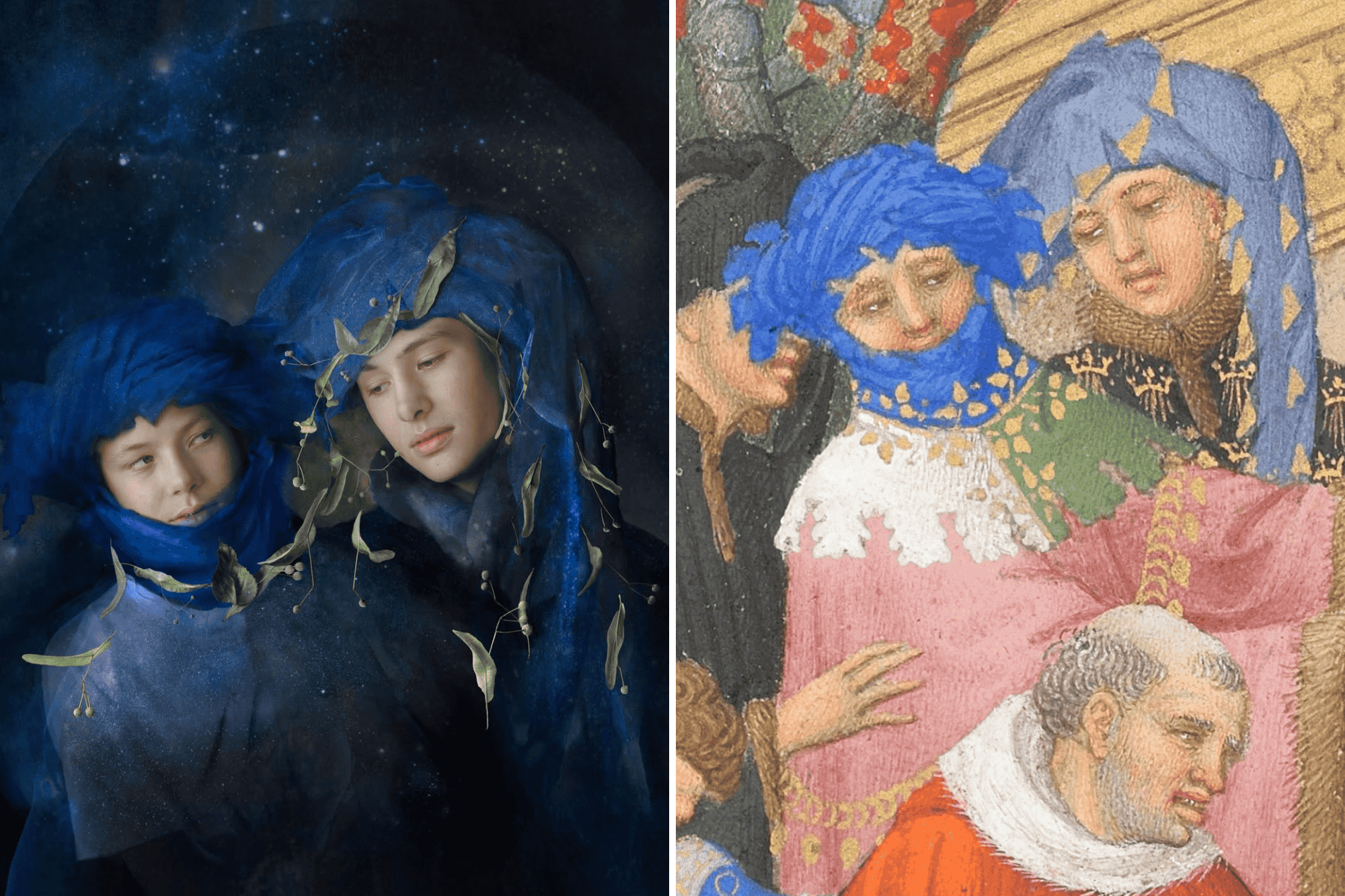
Suzanne Jongmans created new work for this exhibition inspired by details from the Van Lymborch brothers’ oeuvre. In these works, the colour blue is mirrored in a contemporary way and takes over the entire image in various shades. In her earlier work "The Morning Pages", blue takes on a distinctly physical character, with pigment appearing to adhere directly to the body.
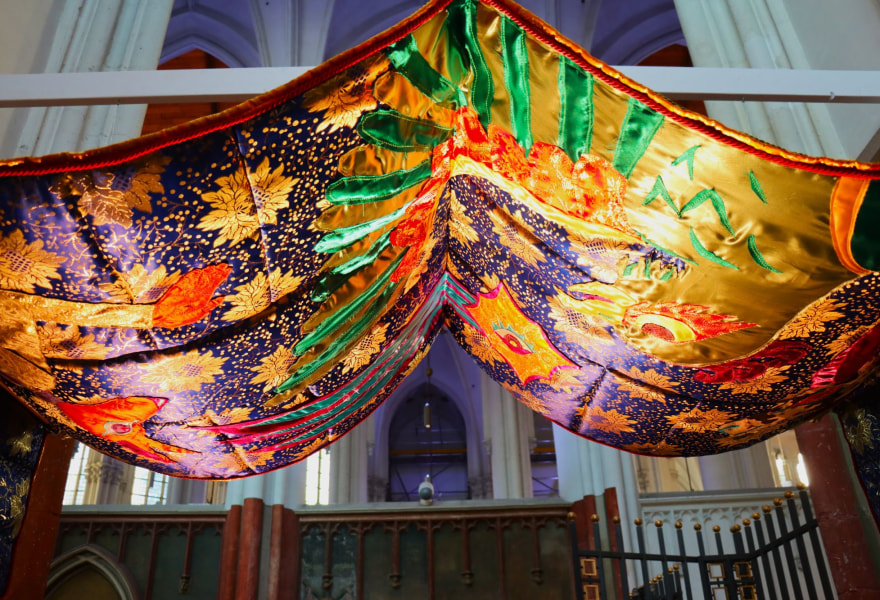
There are also clear parallels between medieval and contemporary work in terms of symbolism. The textile works by Hemaseh Manawi Rad, for example, make idiosyncratic references to heraldry. Banners, coats of arms and standards that were once read in terms of lineage, values and protection are given a more eclectic, though no less symbolic, interpretation here: a lighthouse in a shell and a figure with a bow and a sun for a head. This artist also created a special commission for the exhibition [first image], featuring various allegorical figures, including the Persian bird Simorgh and Anubis, the god from Egyptian mythology.
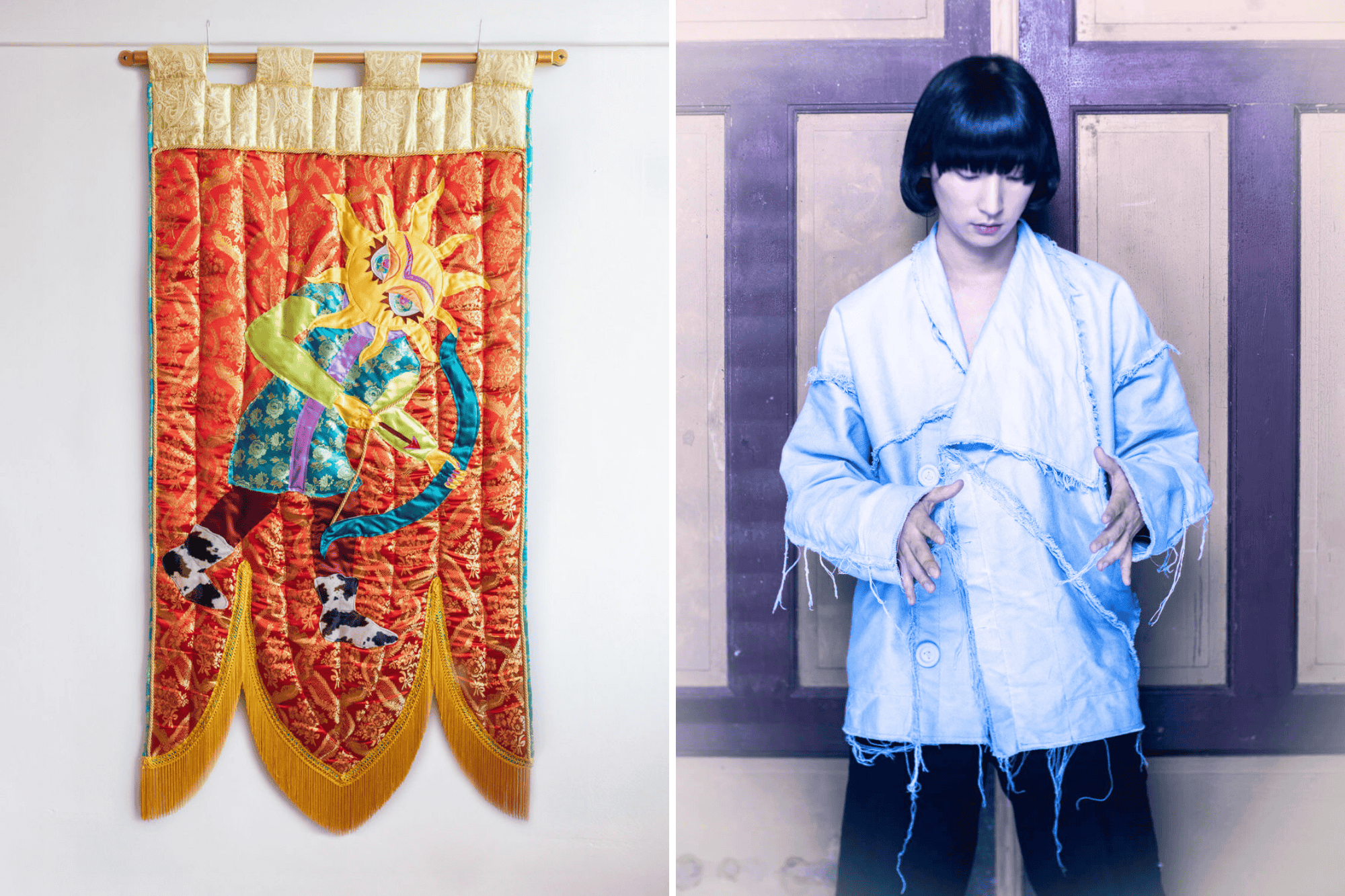
Textile appears in a different form in the LOADS Collection by Claudy Jongstra and her son Jesk. Here, plant-based pigments, biodynamic cotton, craftsmanship and contemporary design come together in garments that are as sculptural as they are wearable. The material speaks just as strongly as the form.
As part of the exhibition, visitors can also experience the (Dutch) 'Van Lymborch Experience' in the tower hall, an audiovisual production in which author Bart Van Loo recounts the story of the brothers, surrounded by projections, animation and music.
The exhibition runs parallel to the (Dutch) television series ‘Onbekend en Wereldberoemd: de Gebroeders van Lymborch’ on NPO 2, in which Sinan Can and Pieter Roelofs (Rijksmuseum) delve deeper into the story of the medieval artists. They also visit several contemporary participants that are featured in this exhibition.
'Far & Near' is a collaboration between Stichting Maelwael Van Lymborch, Maelwael Van Lymborch Studies, the Stevenskerk and the Valkhof Museum.