07 august 2025, Flor Linckens
herman de vries in Rijksmuseum Twenthe: seventy years in nine rooms
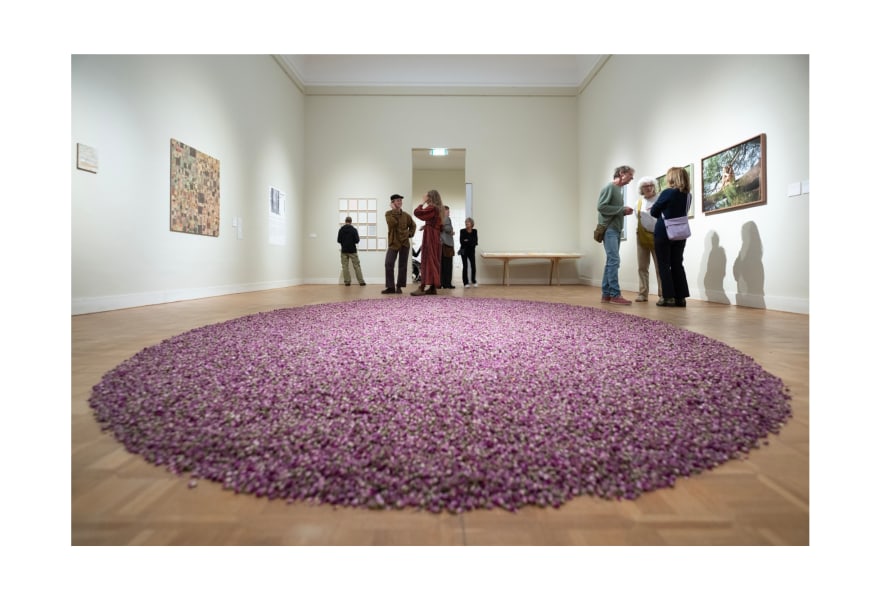
Nature is not a subject in the work of herman de vries: it is the work. Until 9 November, Rijksmuseum Twenthe in the Netherlands is devoting a large-scale retrospective to this singular artist, who has been active for over seventy years. With 'herman de vries. 70 jaar de natuur als kunstwerk', the museum presents a carefully composed tribute to an artist who slows down the act of looking and actively questions hierarchies. On GalleryViewer, the artist is represented by no fewer than four galleries: BorzoGallery, Bradwolff & Partners, Settantotto Art Gallery and Galerie Ramakers (as guest artist).
herman de vries chooses to write his name entirely in lowercase letters as a gesture against hierarchy, a telling detail of the mindset of this multifaceted artist, who has received numerous awards and represented the Netherlands at the Venice Biennale in 2015. This attitude is also reflected in his practice: an attentive and investigative approach to the world around him.
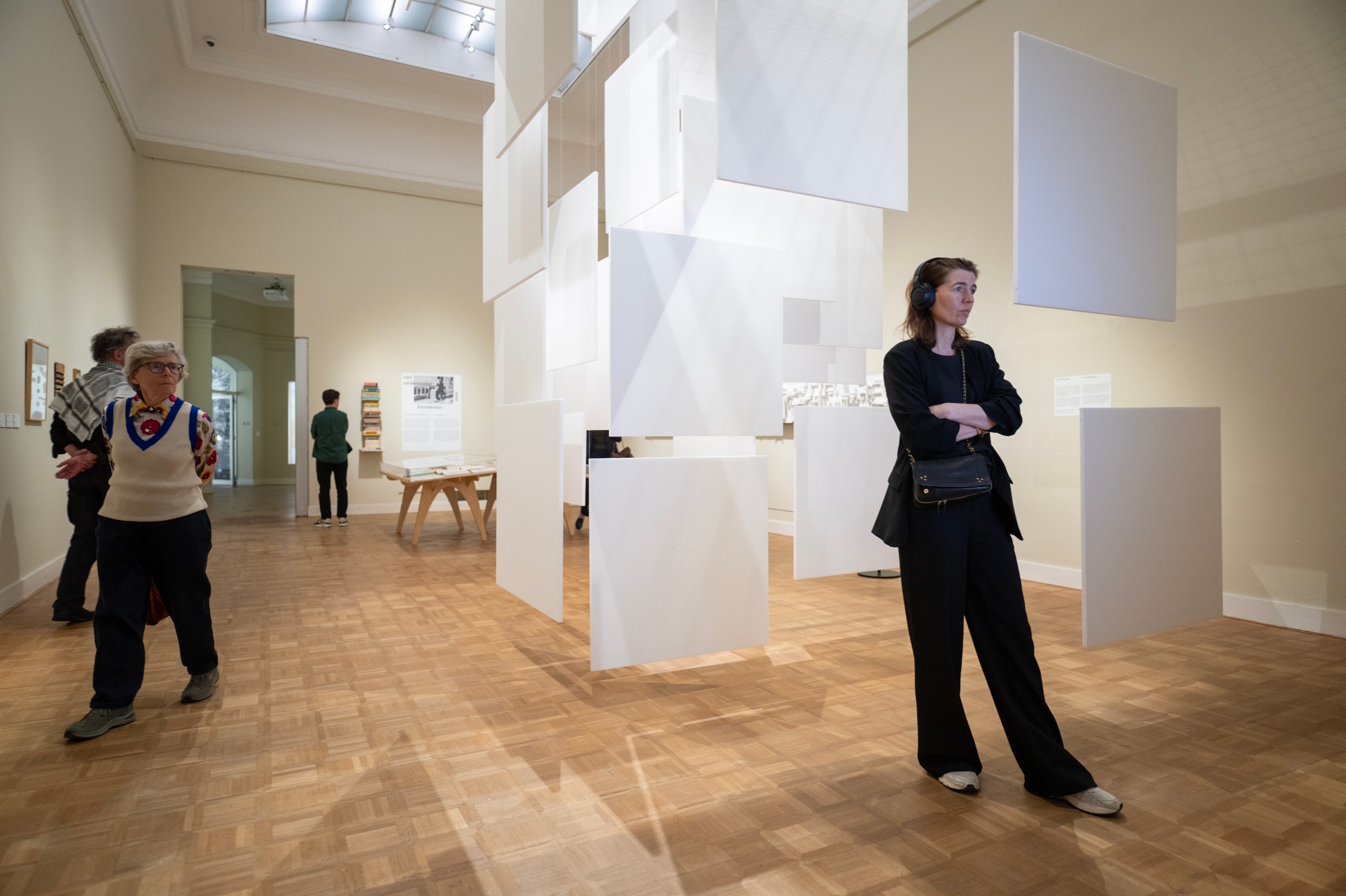
His early work consisted of white paintings, collages of found posters and matter-based works in shades of grey and white. In the 1960s, he joined the Dutch Nul (Zero) movement and became involved with the magazine nul = 0 ("zero = 0"), which he partly continued on his own. Chance, serial structures and the abandonment of personal expression played an important role in this period. From the 1970s onwards, his focus shifted permanently to nature, both as a source and as a bearer of meaning.
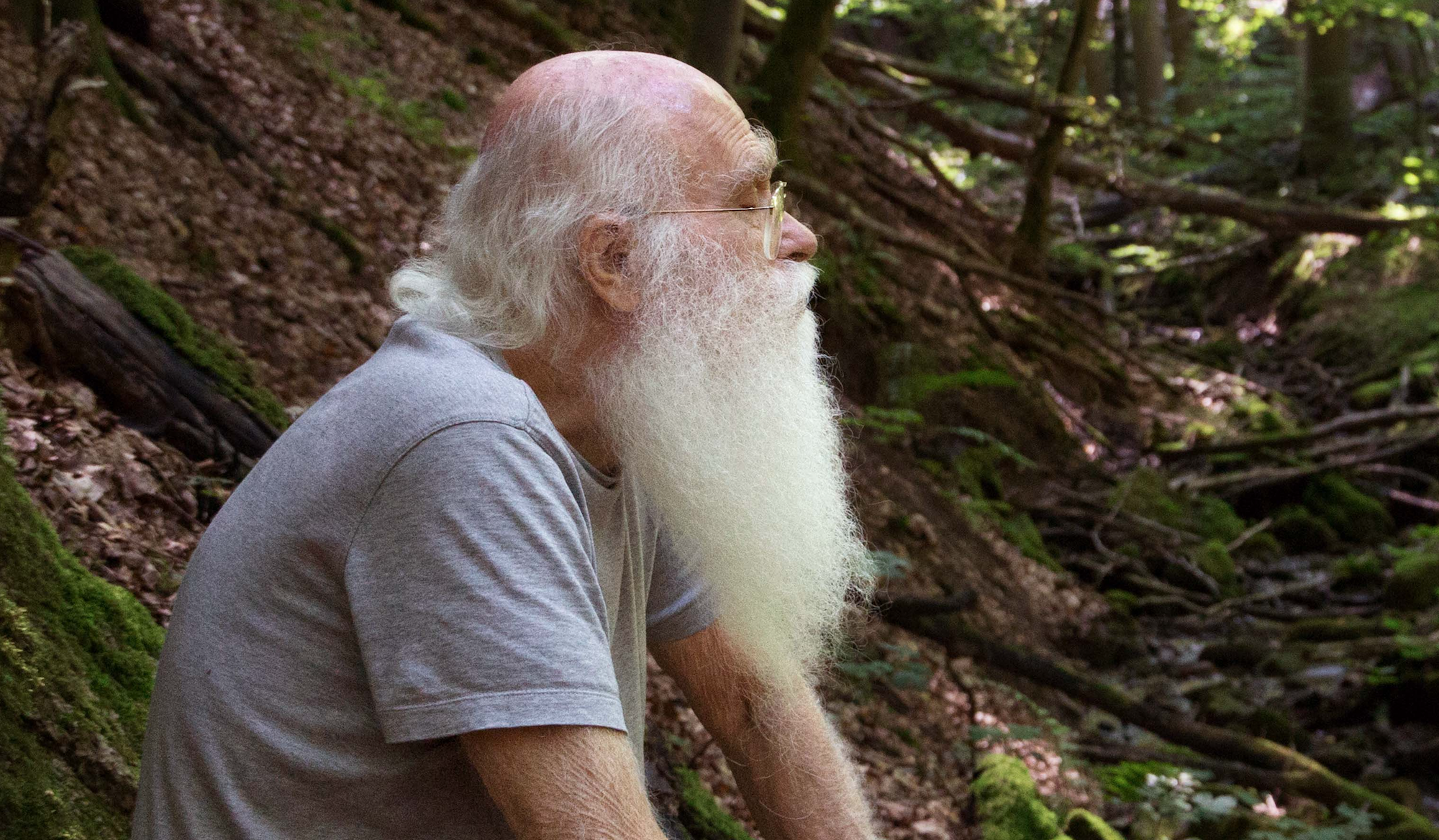
de vries was born in Alkmaar in 1931. He trained as a gardener and botanist and worked as a biological researcher at the Institute for Phytopathological Research in Wageningen for a while. This background is reflected in his practice, with plants and soil as recurring materials, and themes revolving around our complex and disrupted relationship with nature. Art, philosophy, spirituality, science, classification and sensory experience converge in a practice shaped by the many journeys he has undertaken during his lifetime and by his extensive archive of more than 7,000 soil samples that he collected over the span of decades.
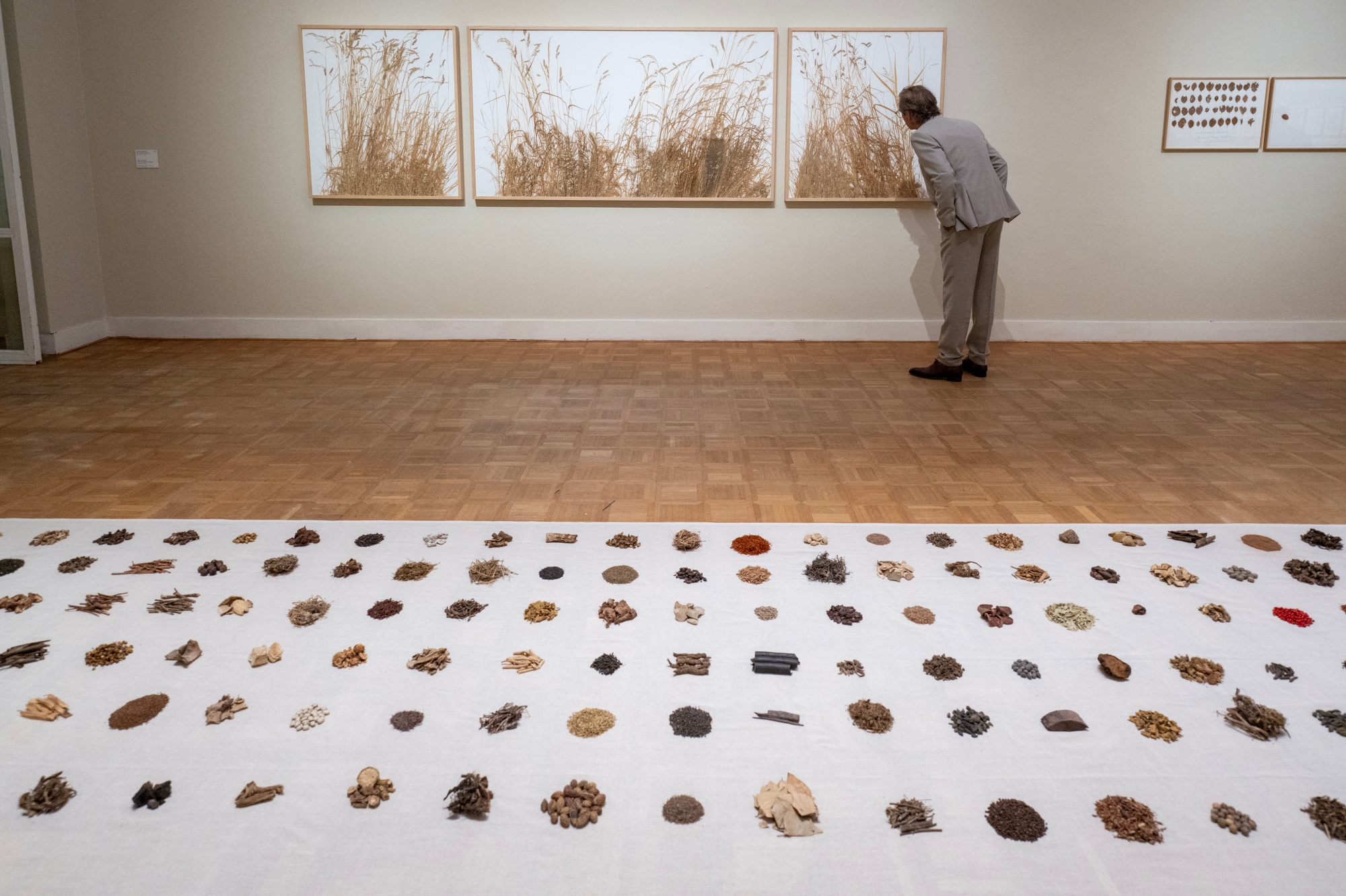
He began collecting, ordering and archiving natural elements, from soil and leaves to seeds, flowers and stones, presenting them in precise grids or rhythmic repetitions. Central to his oeuvre is the idea of arranging without interpreting, of showing what is already there. His practice spans various media, including collage, sculpture, performance, painting and photography.
His exhibition at Rijksmuseum Twenthe comprises more than sixty works, spread across nine museum rooms and the courtyard. It traces the full development of his practice, from the chance reliefs of the 1960s to recent installations. One of the works is the monumental "toevalsreliëf" (1967) from the collection of the Rijksmuseum in Amsterdam. The exhibition also features "la gomera", in which the eponymous Canary Island is presented as a total experience. Rarely seen archival material from de vries’ early period is also on view, along with a dedicated room where his work enters into dialogue with that of younger artists such as melanie bonajo and Milah van Zuilen.
Even de vries’ CV reads like a story: he notes when he first began creating white works and experimenting with language, his travels to Russia, the Sahara, Afghanistan, India and Senegal, and the moment in 1969 when he had his first psychedelic experiences. His work is held in the collections of the MoMA in New York, Centre Pompidou in Paris, the V&A in London, the Louisiana Museum near Copenhagen, the Stedelijk Museum, Museum Voorlinden, the Rijksmuseum, Museum Boijmans Van Beuningen, the Van Abbemuseum, the Kröller-Müller Museum, the Bonnefantenmuseum, Kunstmuseum Den Haag and Stedelijk Museum Schiedam.
