09 june 2026, Flor Linckens
The many faces of Carel Visser
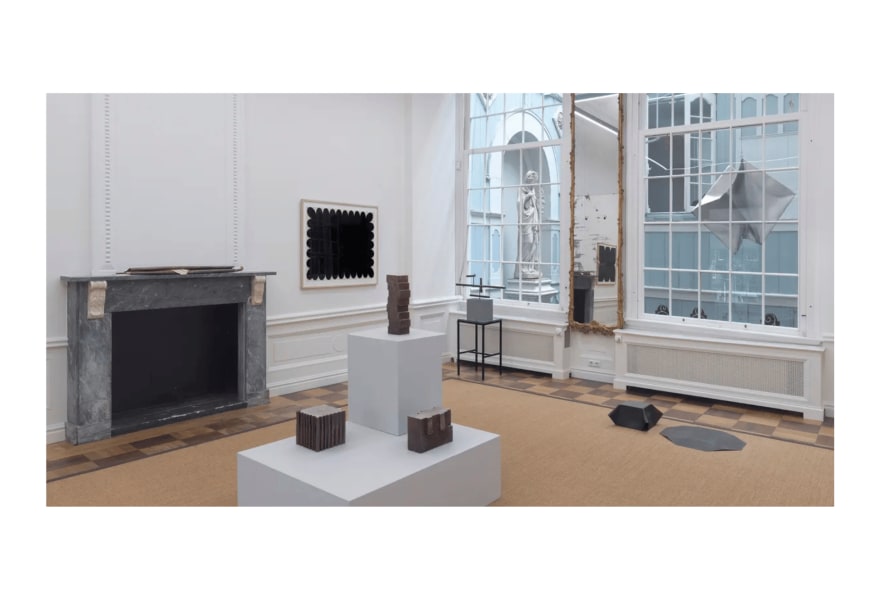
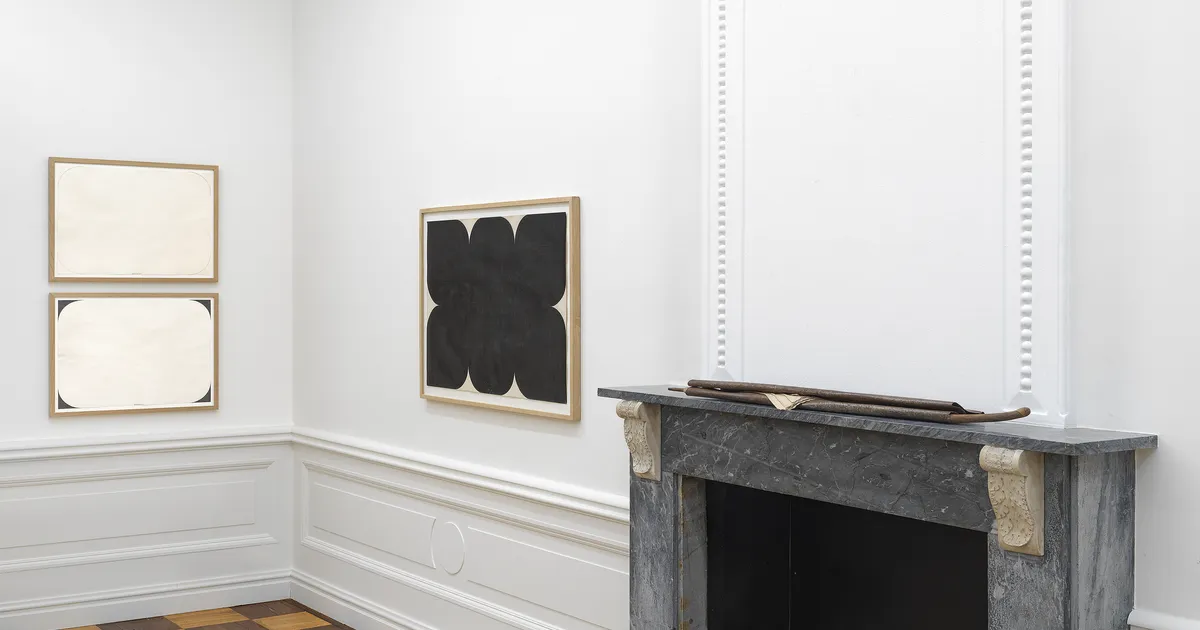
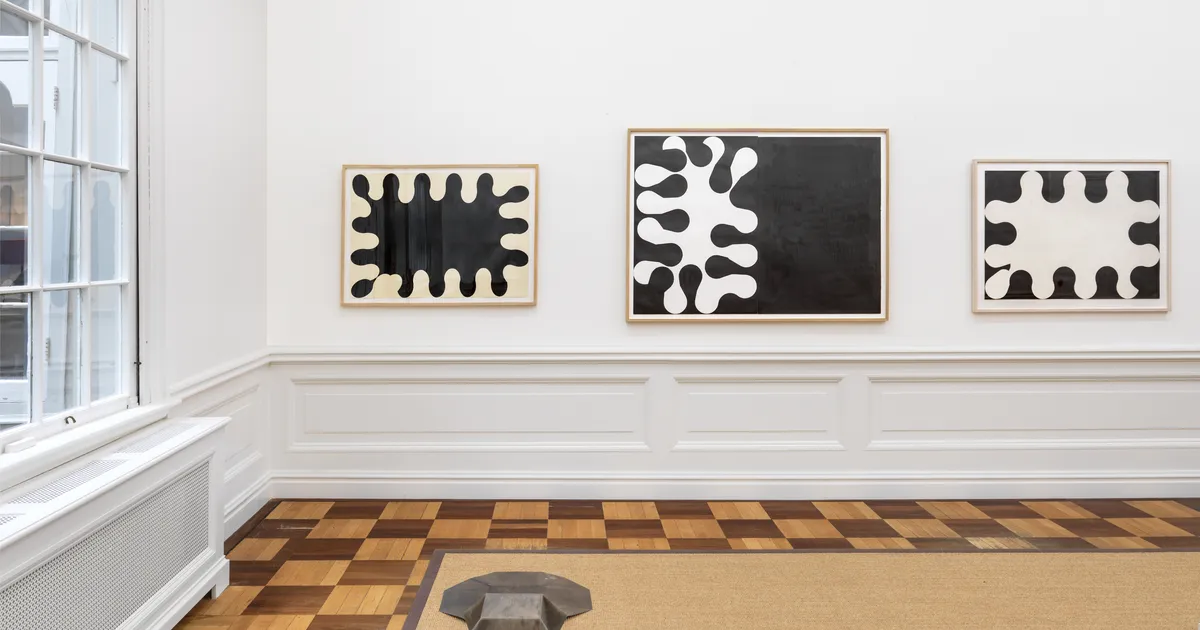
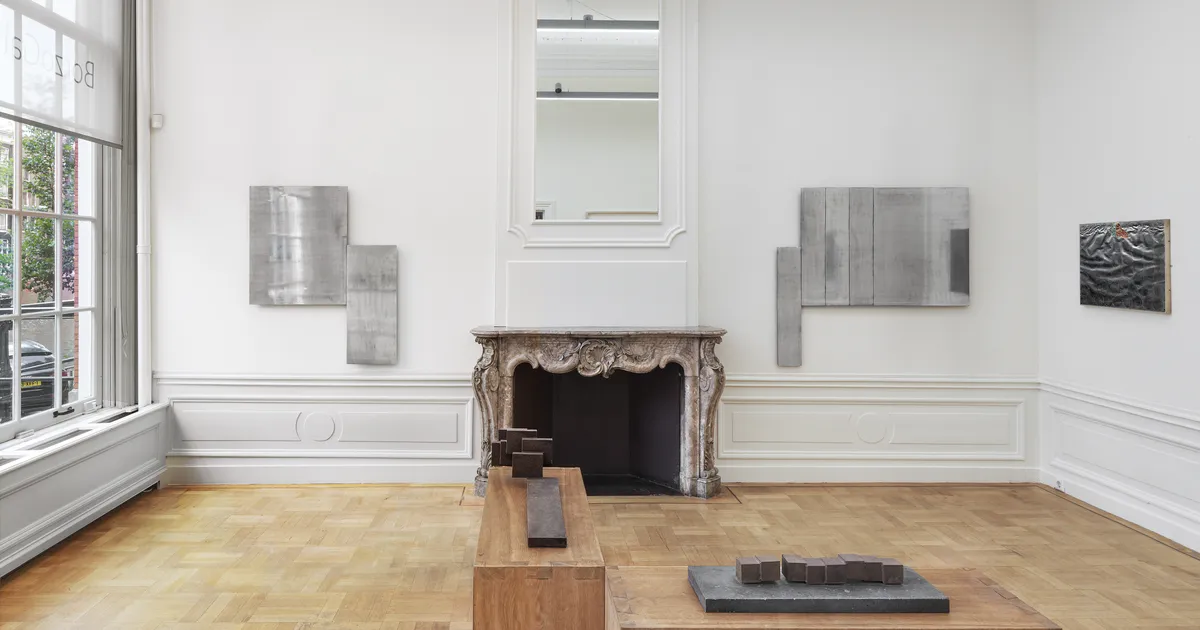
Until 26 June, BorzoGallery in Amsterdam is presenting the exhibition ‘Sculptures, Drawings, Collages’ by Carel Visser. The show brings together sculptures from the 1960s and drawings that were created between 1972 and 1991, many of which have not been shown since the 1990s. That way, the exhibition highlights a lesser-known aspect of Visser’s practice, as he is primarily known for his sculptures. A tip for those interested in exploring more of his work: thirteen monumental sculptures by Visser can also be seen (free of charge) in the Rijksmuseum Gardens until 25 October.
Carel Visser is widely regarded as one of the most important Dutch sculptors of the twentieth century. He was born in Papendrecht on 3 May 1928 as the son of a civil engineer. In his father’s company, he learned practical skills such as woodworking and welding. He initially enrolled in architecture at the Technical University in Delft before continuing his studies at the Royal Academy of Art in The Hague. This combination of architecture and visual art remained visible throughout his career. His sculptures emerged through processes of assembly, stacking and construction, shaped by form, repetition, symmetry and rhythm.
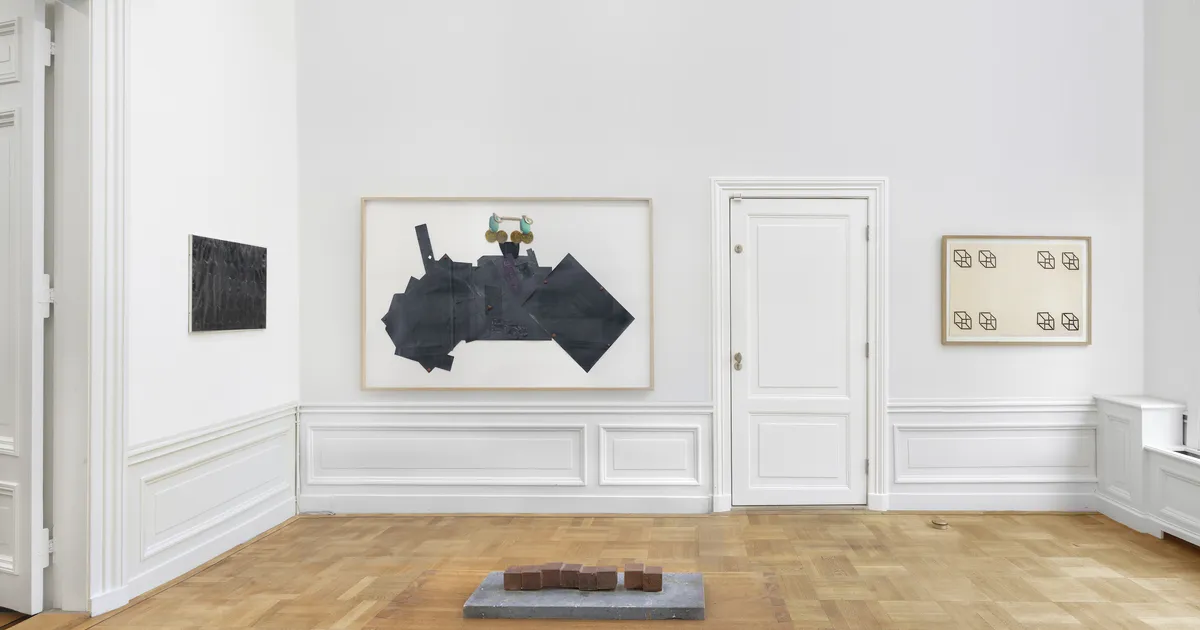
Visser’s visual language evolved continuously over the course of his career. In the 1950s, he worked with constructivist principles and geometric abstraction, unlike many of his Dutch contemporaries, but later on, his practice became increasingly free, playful, intuitive and materially driven, particularly from the 1970s onwards. In 1968 he represented the Netherlands at the Venice Biennale and participated in Documenta 4 in Kassel.
The artist found much inspiration during his travels and extended stays in countries such as Italy, Spain, France, the United States and Mexico. Nature was another enduring source of inspiration. Even his most abstract sculptures often contain echoes of plants, animals, landscapes or natural structures, not as literal depictions but as underlying forms and patterns. The work of other artists also informed his practice, the work of Constantin Brâncuși for instance.
Rather than relying on traditional sculptural materials such as bronze or marble, Visser long favoured industrial materials including steel, iron and concrete. Later in his career, he also experimented with sand, wool, wood, aluminium, feathers, eggs, shells, bones, cardboard, glass and even car tyres. Contrasts played a recurring role throughout his work: natural versus artificial, heavy versus light, strength versus vulnerability, order versus intuition.
Although best known as a sculptor, Visser’s practice was remarkably multidisciplinary. Alongside sculptures, he produced drawings, collages, prints, woodcuts and reliefs. The same questions that occupied Visser in his sculptural work can also be found in his works on paper. In his collages, he explored composition, balance and spatial relationships, combining disparate materials to create new connections. The graphite drawings featured in the exhibition are built up from countless layers of pencil, imbuing certain surfaces with an almost metallic sheen.
Visser’s work is held in the collections of the Rijksmuseum, Stedelijk Museum Amsterdam, Museum Boijmans Van Beuningen, the Kröller-Müller Museum, Kunstmuseum Den Haag, the Centraal Museum, Tate Modern, the Museum of Modern Art in New York, De Nederlandsche Bank, Schiphol and the Dutch Ministry of Foreign Affairs. Numerous works by his hand can also be found in public spaces. During his career, he received several major distinctions, including the Dutch State Prize for Visual Arts and Architecture, the Dr A.H. Heineken Prize for Art and the Wilhelminaring. He passed away on 1 March 2015 at the age of 86 in his hometown of Le Fousseret in France.