21 november 2025, Flor Linckens
Paul Cupido: looking into the blue hour
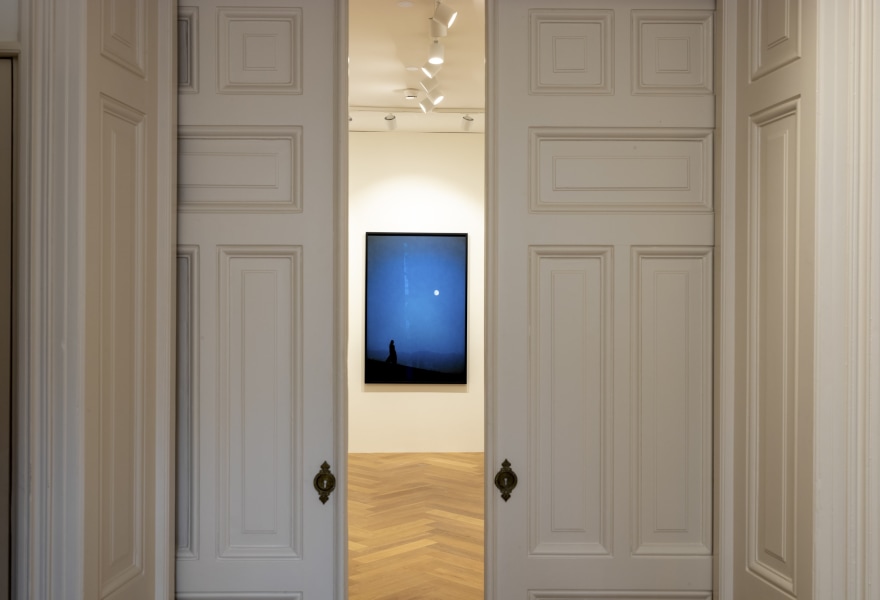
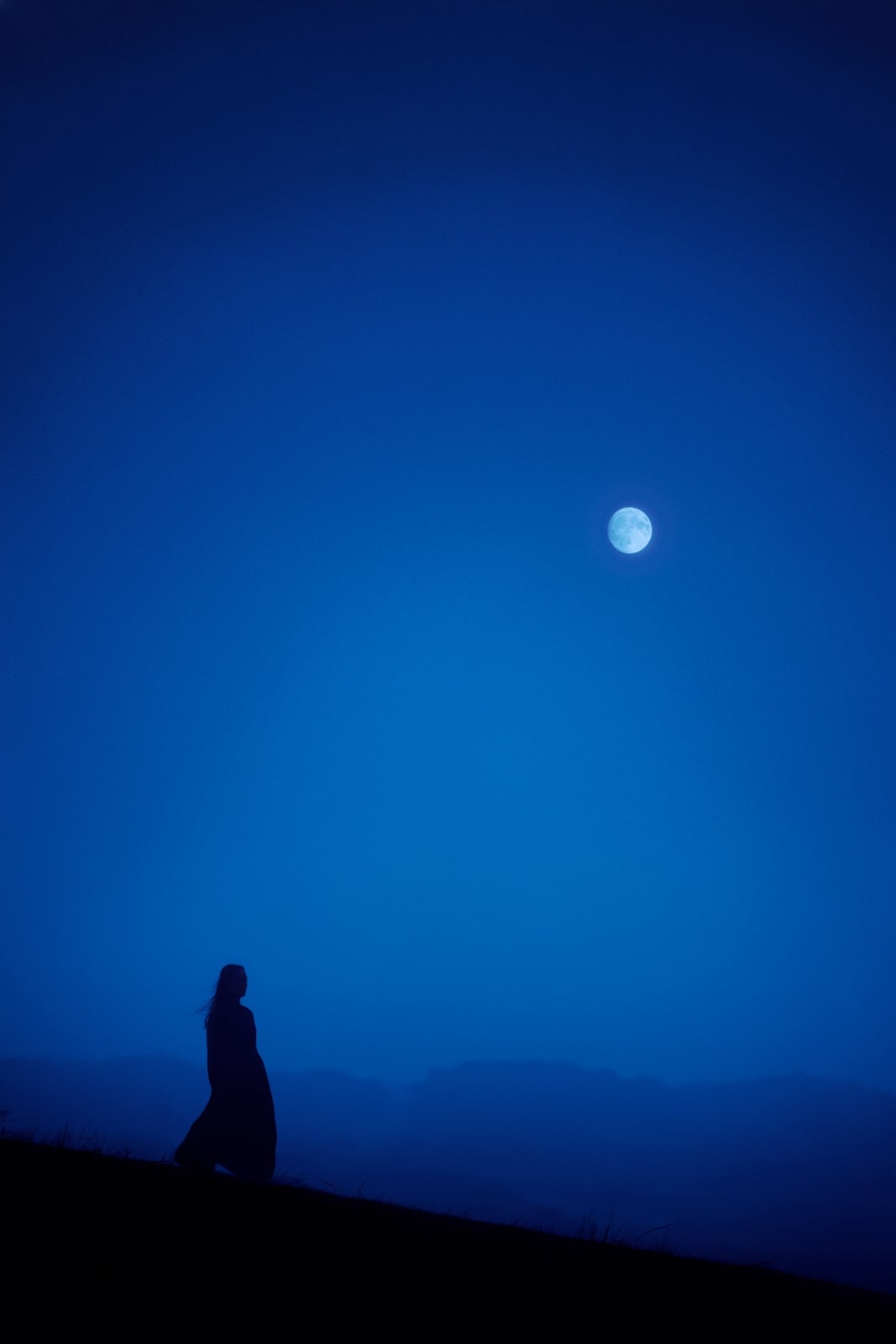
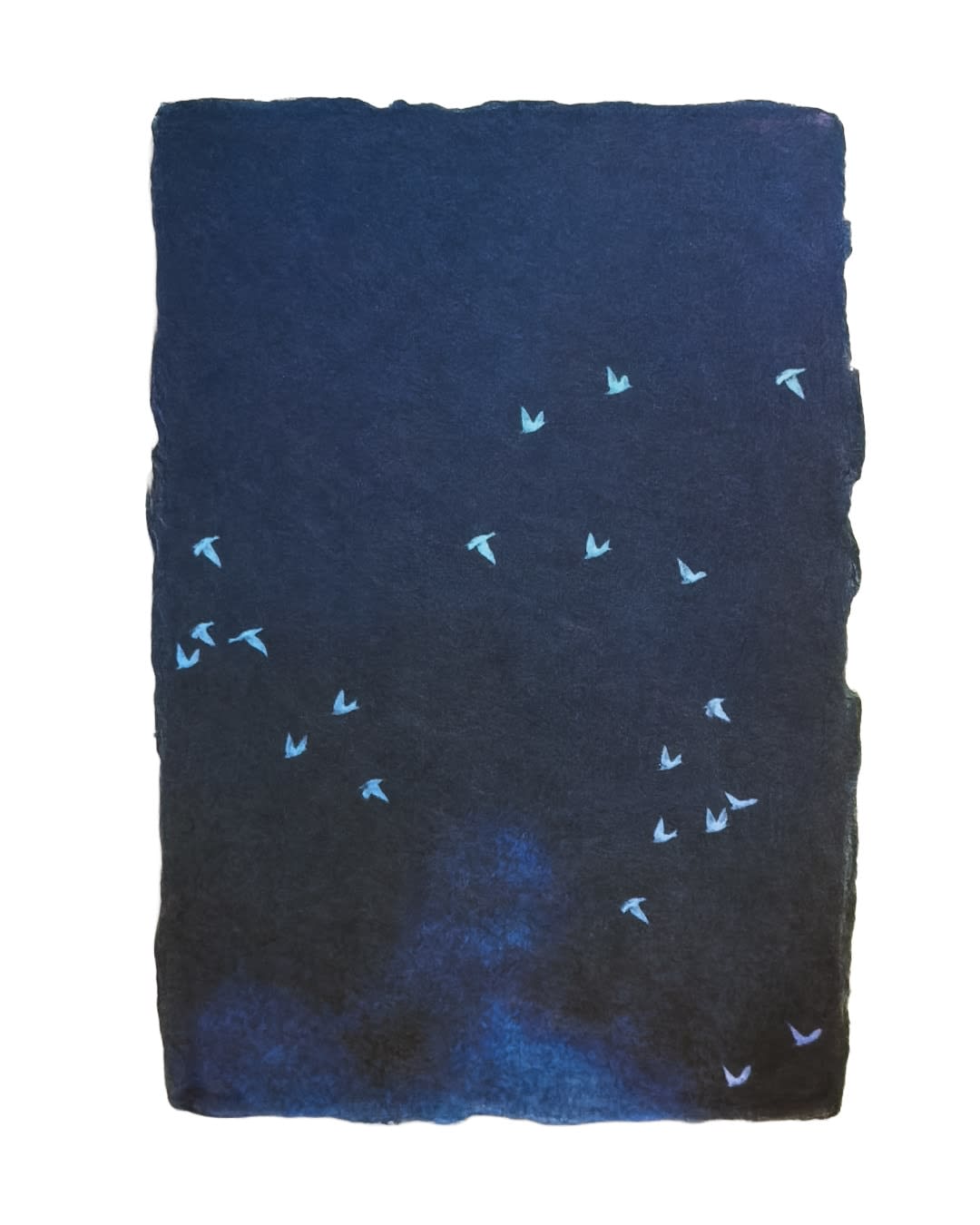
At Bildhalle in Amsterdam, Paul Cupido presents ‘L’Heure Bleue’, an exhibition that centres on moments of transition. A brief period in which light, perception and attention shift, guided by intuition and the senses. The Dutch photographer uses the blue hour as a poetic framework that highlights how he sees the world. It resembles a moment in which the world tilts slightly, suspended between reality and dream. That elusiveness aligns closely with his desire to use photography as a way of examining perception, transience, and the invisible: the aspects that often resist being captured.
Cupido’s gently melancholic practice is rooted in Japan, both in his visual language and in the ideas that guide his work. The philosophical concept of ‘mu’ is central to his approach: a form of emptiness that is not regarded as absence, but as a space in which possibilities may arise. It describes a way of looking in which the space in-between is acknowledged without the impulse to fill it with immediate meaning. ‘Mono no aware’ adds the simple awareness that things change and disappear, and that this impermanence can be observed without attaching additional emotion or symbolism. ‘Muyaku’ refers to the absence of a predetermined purpose: things exist as they are, without function or direction. It describes a willingness to accept that open state rather than attempting to steer or resolve it.
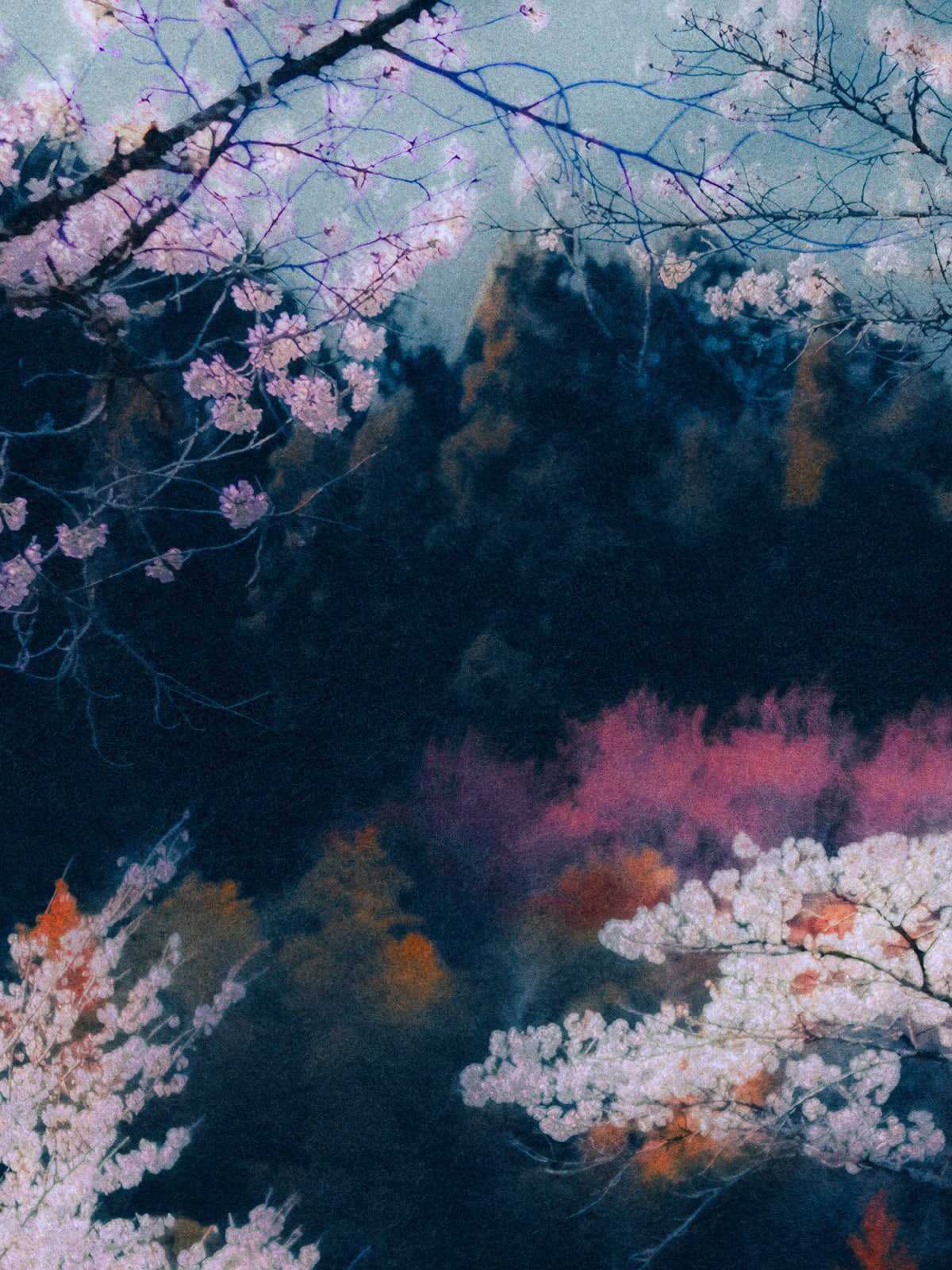
During his walks and travels, Cupido works intuitively, capturing images that take on their final form in the studio. There, he selects, arranges and prints with close attention to scale, proportion and materiality. In the process, the choice of paper and printing technique becomes almost as decisive as the image itself. The result is a practice shaped by observation, intuition and material control. Cupido often works with double-layered Kozo paper, made by hand. The material is absorbent, allowing pigment to sink deeply into the fibres. Its soft, matte surface is marked by subtle irregularities. This choice reflects Cupido's need for tactility: the result feels as fragile as the moments he attempts to capture.
Cupido’s photographs are rarely straightforward registrations. They function more as echoes of a feeling. In his thematic series, the landscape often becomes a catalyst for an inner search that remains largely implicit in the images. In the rare works that include a figure, the body seems to merge with the sea, the dark, or the surrounding landscape, as if briefly dissolving into something larger than itself.
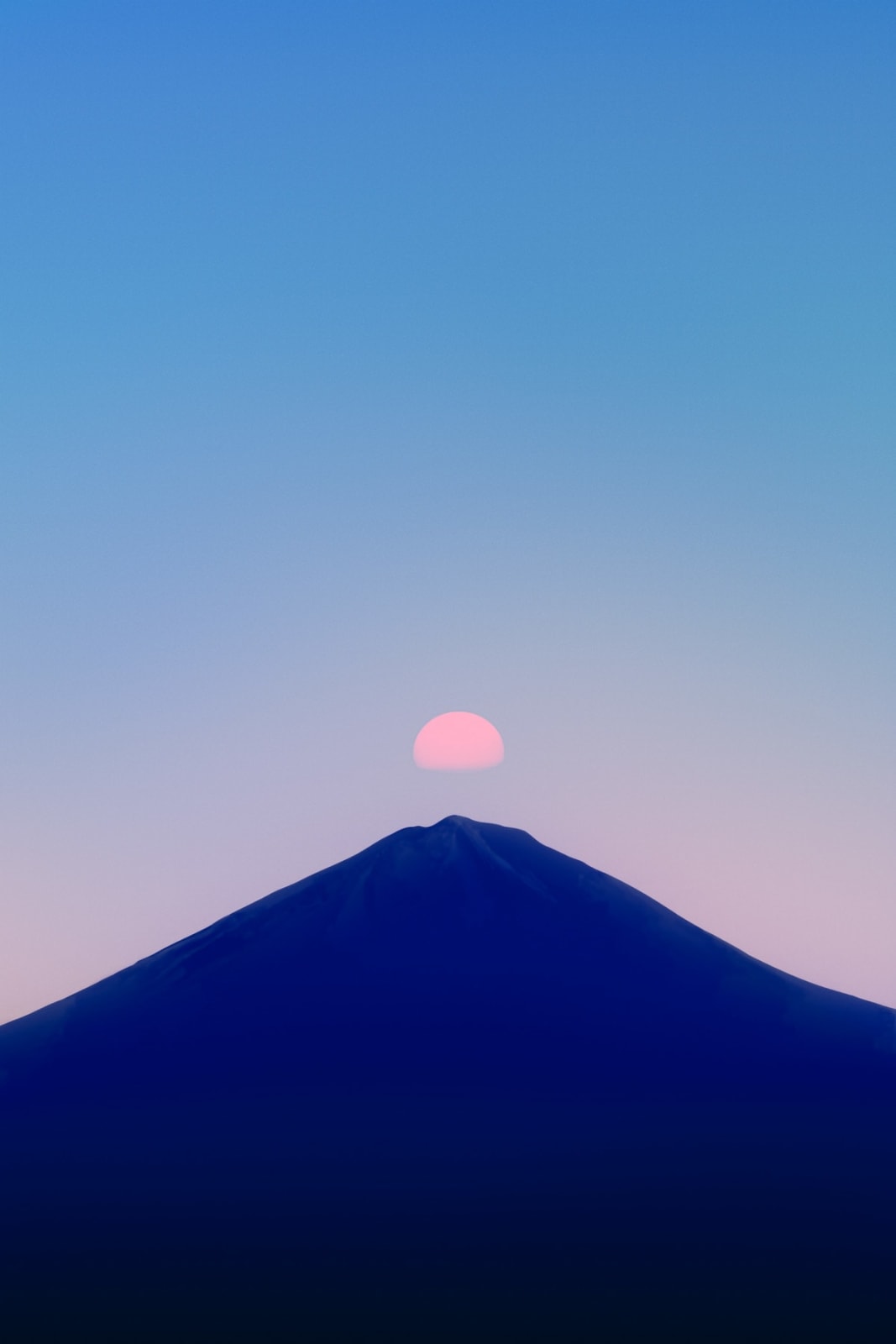
The exhibition at Bildhalle brings together recent and earlier work: a combination of landscapes, portraits and still lifes in which mountains, water, leaves, and blossom play a central role, and in which bodies relate to their natural surroundings. A striking work in the exhibition is the monumental version of Cupido’s ideogram "Moon over Fuji" (150 x 100 cm). The mountain, a significant site of pilgrimage for many visitors, is only visible for about 80 days a year. During Cupido's own journey, Fuji remained mostly veiled in mist, effectively turning into a quiet symbol of surrender, as it would not be forced into submission.
Paul Cupido was born in 1972 on the Dutch island of Terschelling. On his Instagram account he writes: “Growing up on an island, I was always surrounded by water. The ebb and flow of the tide, under the influence of the shifting phases of the moon, became a constant in my work, a continuum.” That environment formed the basis of his attention to cycles, repetition and the sense that everything is always in motion, no matter how still an image may appear. It also shaped his sensitivity to the ephemeral aspect of a wave, as a metaphor for something fleeting that can leave a lasting imprint on the body.
In 2017, he graduated with honours from the Fotoacademie Amsterdam. During his studies, he also competed masterclasses with Antoine d’Agata (Magnum Tokyo) and Jacob Aue Sobol (Hamburg). He spent extended periods in Japan, where he studied woodblock printing, photographic etching techniques and papermaking. He also walked the 1459 kilometres between Tokyo and Abashiri, a meditative journey during which he engaged with existential questions, including the finitude of life, following the loss of several loved ones within a short span of time. That journey ultimately brought him back to a cyclical worldview.
In 2023, Cupido became the first artist-in-residence at Château Palmer and Leica INSTANTS, a programme that resulted in a solo exhibition at Leica Gallery Paris and the book Séléné. He had previously participated in several residency programmes, including the LabVerde immersion in the Amazon rainforest. The photographer has published several photobooks, among them ‘4 a.m.’ which was named one of ‘LensCulture’s Favorite Photobooks of 2021’. His work is represented in various collections, including that of Foam Fotografiemuseum Amsterdam.