12 august 2025, Flor Linckens
Discover in Stedelijk Museum Schiedam how Daan van Golden pushed the boundaries of originality
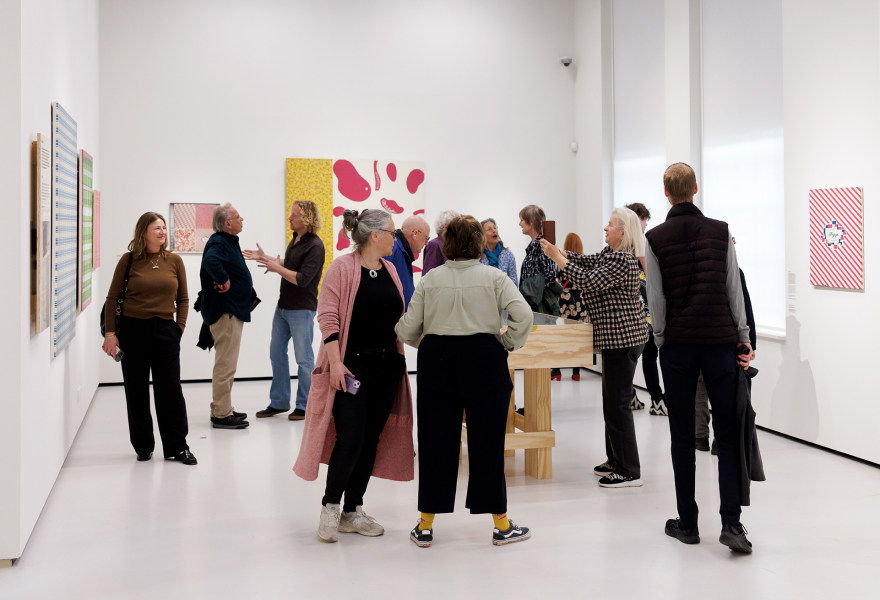
Until 14 September, Stedelijk Museum Schiedam presents the exhibition 'Daan van Golden. The Original'. With this exhibition, the museum pays tribute to one of the most distinctive and influential Dutch artists, renowned for his keen eye for beauty in the everyday. From a checked tea towel or a newspaper photograph to Japanese wrapping paper, Van Golden could transform the most modest objects and images into serious artistic subjects. On GalleryViewer, the artist is represented by andriesse~eyck gallery and – until September – Galerie Fons Welters.
With extraordinary concentration, Van Golden painstakingly reproduced existing patterns and images, often down to the smallest detail, or captured fleeting moments with his camera that he found meaningful in their simplicity. The result is a body of work that continually raises questions about originality, repetition and interpretation. When is something truly new, and when are we simply looking with fresh eyes at what already exists? Repetition plays a central role in his practice. Motifs he discovered would reappear in different guises, with new paintings continually referencing earlier works. This creates a visual network in which each piece is connected to the rest. The same tension resonates in his appropriations of details from works by Pollock, Giacometti and Matisse: quotations that appear literal yet become unmistakably his own. That way, he connected elements from both “high” and “low” culture.
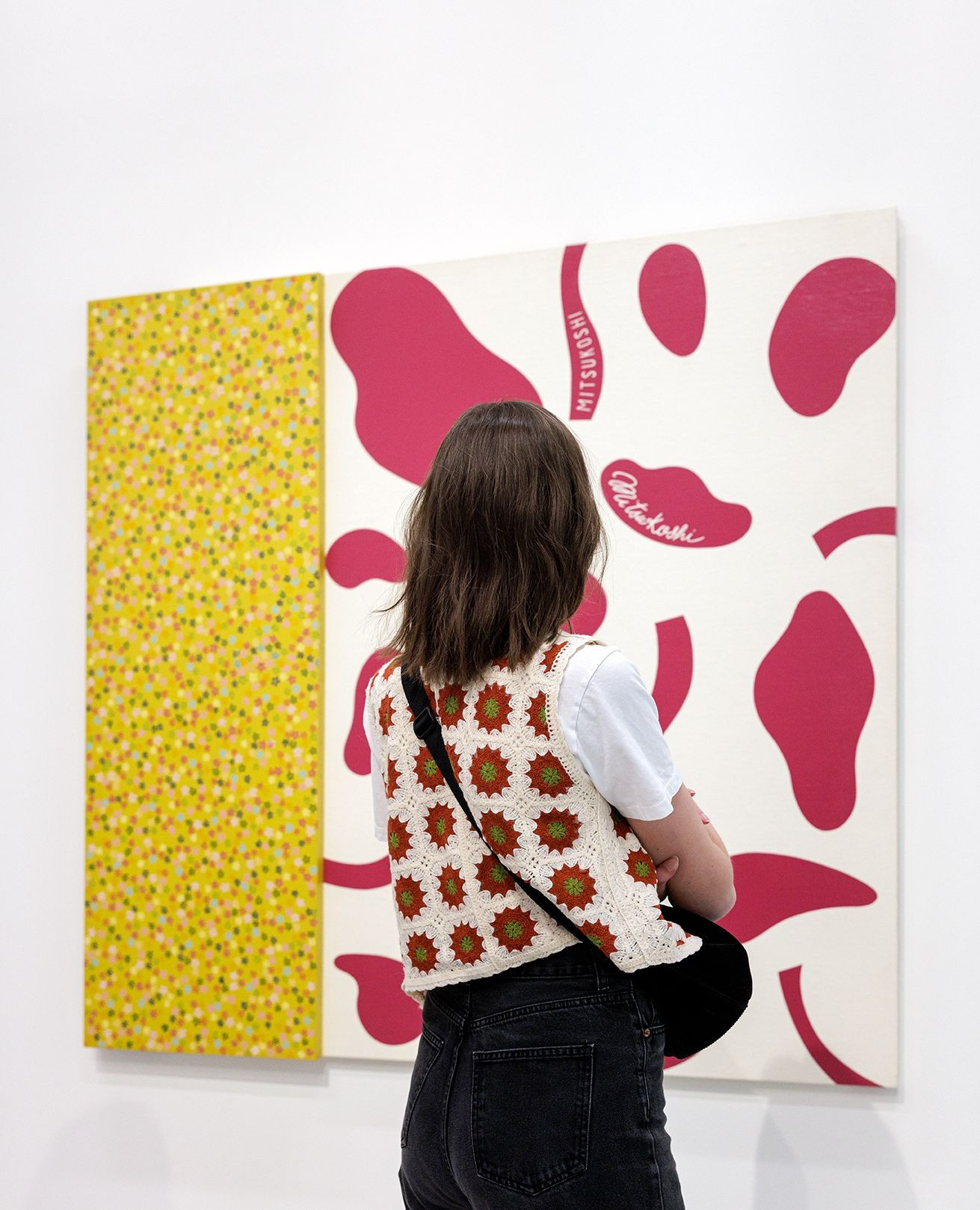
Museum curator Catrien Schreuder notes: “Daan van Golden’s oeuvre is very diverse, but at the same time everything is related. A particular find, such as the pattern of small tulips on wrapping paper from a Japanese department store, returns in later works in all sorts of guises: as a painting, as part of an installation featuring that painting, in a photograph of it, or as a pattern combined with other images. Time and again, something new emerges, even though it was all already there. Just by looking at it differently. It’s very infectious.”
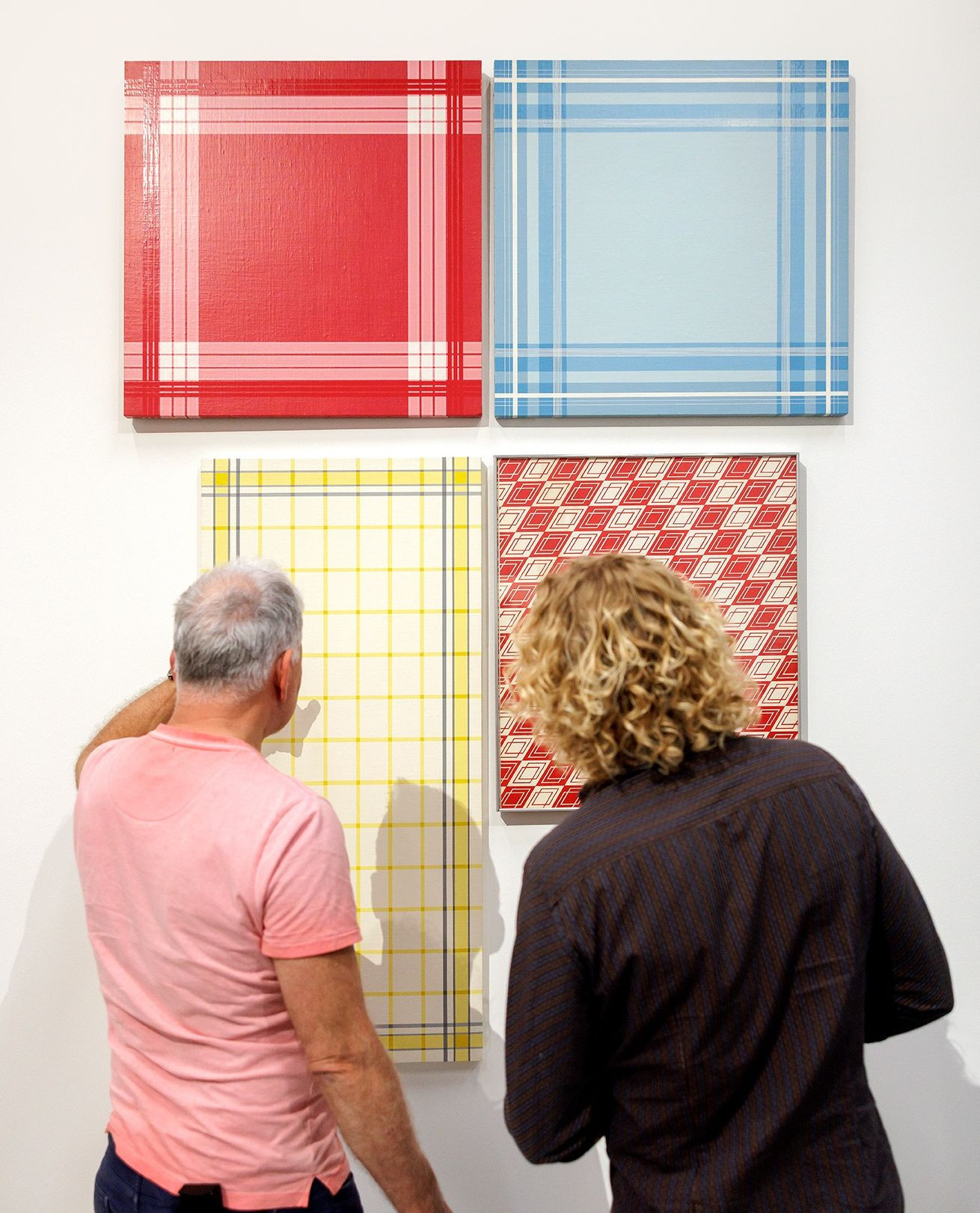
Van Golden began his career with expressive black-and-white abstractions. The turning point came in 1963, when he travelled to Japan. It was not the celebrated Japanese painting tradition but rather the design of everyday objects (wrapping paper, tea towels, handkerchiefs) that inspired him. He was fascinated by the craftsmanship and meticulous precision of Japanese aesthetics, aimed at perfecting a form to its very essence – an approach that continues to captivate artists, and even chefs, to this day. It taught him that perfection can also be found in the familiar. With almost meditative precision, he painted these motifs in Japanese lacquer, rendering the brushstroke virtually invisible and creating a flat, flawless surface. Straight lines and geometric patterns were applied using masked-off sections of canvas, a method that underscored the discipline and focus of his working process.
His experience in Japan fundamentally changed his view of his role as an artist. Why should the expressive gesture be valued more than the careful reproduction of an existing motif? He found his answer in works where observation and concentration became as important as paint and canvas. The exhibition in Schiedam includes the work "Untitled (Tokyo)" from 1964, recently acquired by Fonds Schiedam Vlaardingen e.o. and placed on long-term loan to the museum. This key work reflects the shift in Van Golden’s practice after his time in Japan.
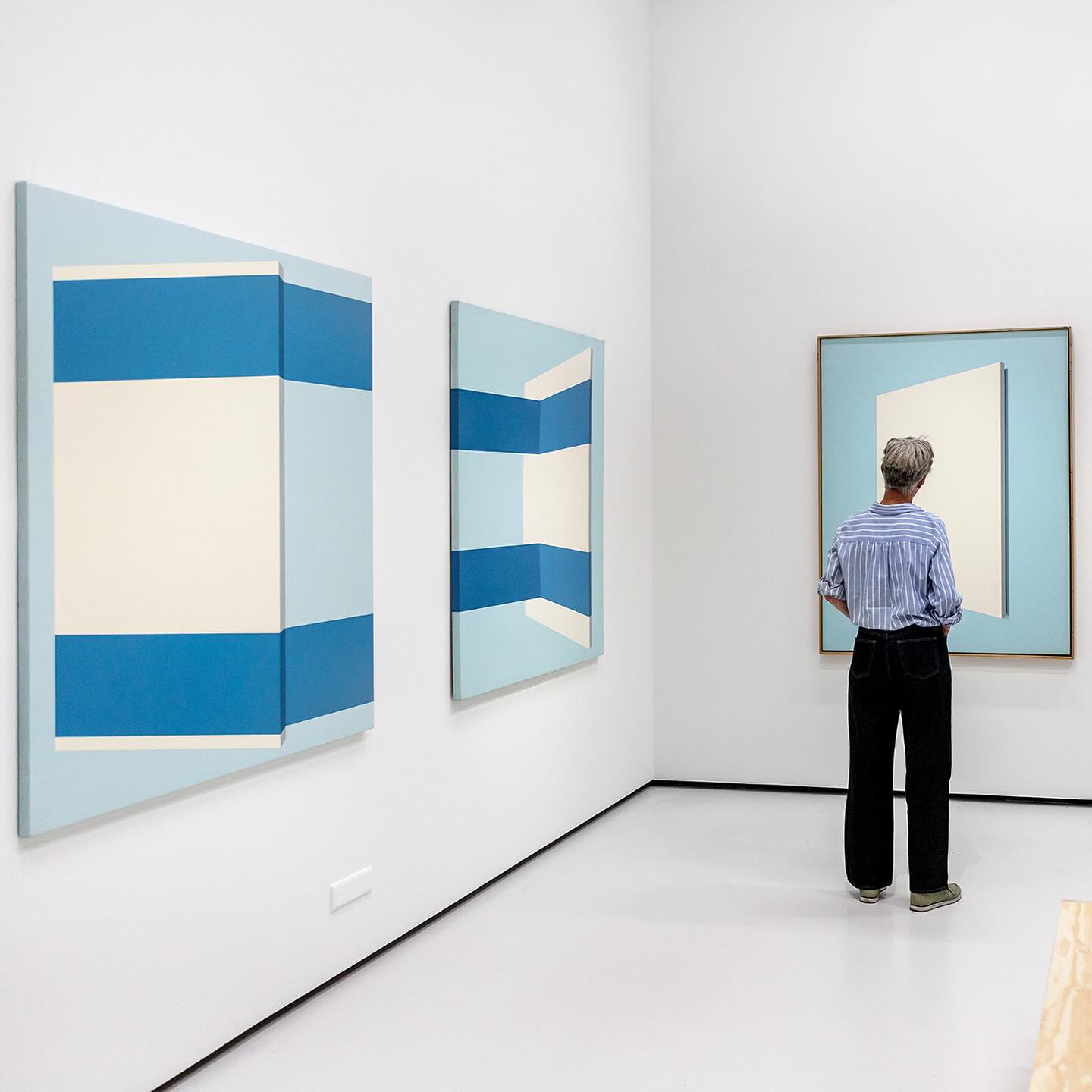
The exhibition brings together around eighty works, including paintings, photographs, collages and graphic pieces, drawn from the museum’s own holdings as well as from private collections and museums in the Netherlands and abroad. The museum also uses the occasion of Schiedam’s 750th anniversary to honour him as a “Schiedam hero”. Van Golden lived and worked in the city for most of his life, apart from several extended periods abroad. In 1966, his work was first shown at Stedelijk Museum Schiedam, and in 1978 he had a solo exhibition there.
Daan van Golden was born in 1936 in Rotterdam, where he obtained his degree at the Willem de Kooning Academy. He exhibited internationally, from Tokyo to New York, and in 1999 he represented the Netherlands at the Venice Biennale. His work has been included in the collections of the Stedelijk Museum Amsterdam, Stedelijk Museum Schiedam, Museum Boijmans Van Beuningen, Museum Voorlinden, the Rijksmuseum, Kunstmuseum Den Haag, the Centraal Museum, the Rabobank and ABN AMRO. The artist passed away in Schiedam in 2017.