30 december 2022, Flor Linckens
Online exhibition: Full belly, happy hearts
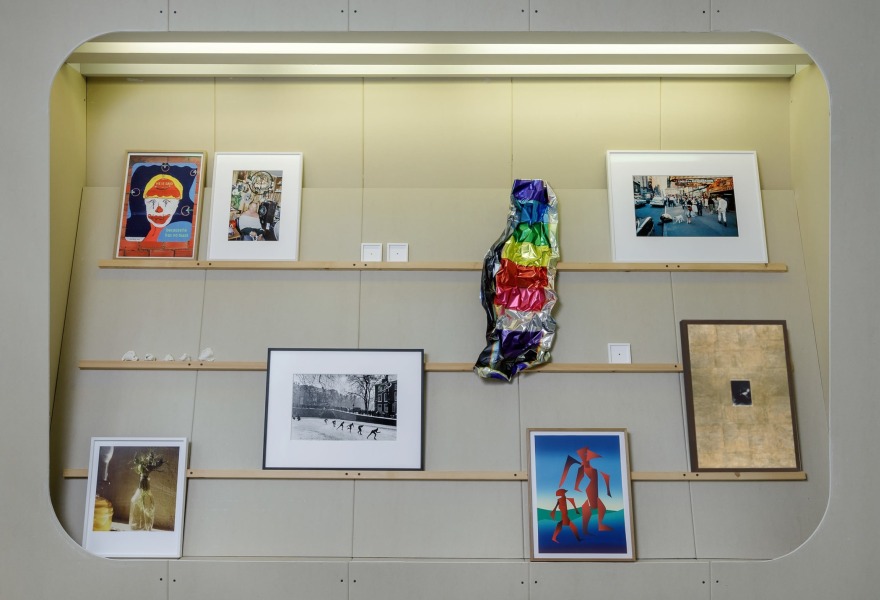
Until 15 January 2023, Annet Gelink Gallery presents an online-only presentation with a series of works by artists from the gallery. The title of the exhibition, 'Full belly, happy hearts', refers to the title of one of the works on display, made by Wilfredo Prieto. The exhibition includes a multitude of media: from photos, ceramics and sculptures to collages and paintings. Visually, they do have a common denominator: the mixed feelings that we associate with this time of year. A time of conviviality as well as loneliness, of looking back wistfully and optimistically looking ahead. Days when everyone eats too much, argues with family and no one knows the exact date.
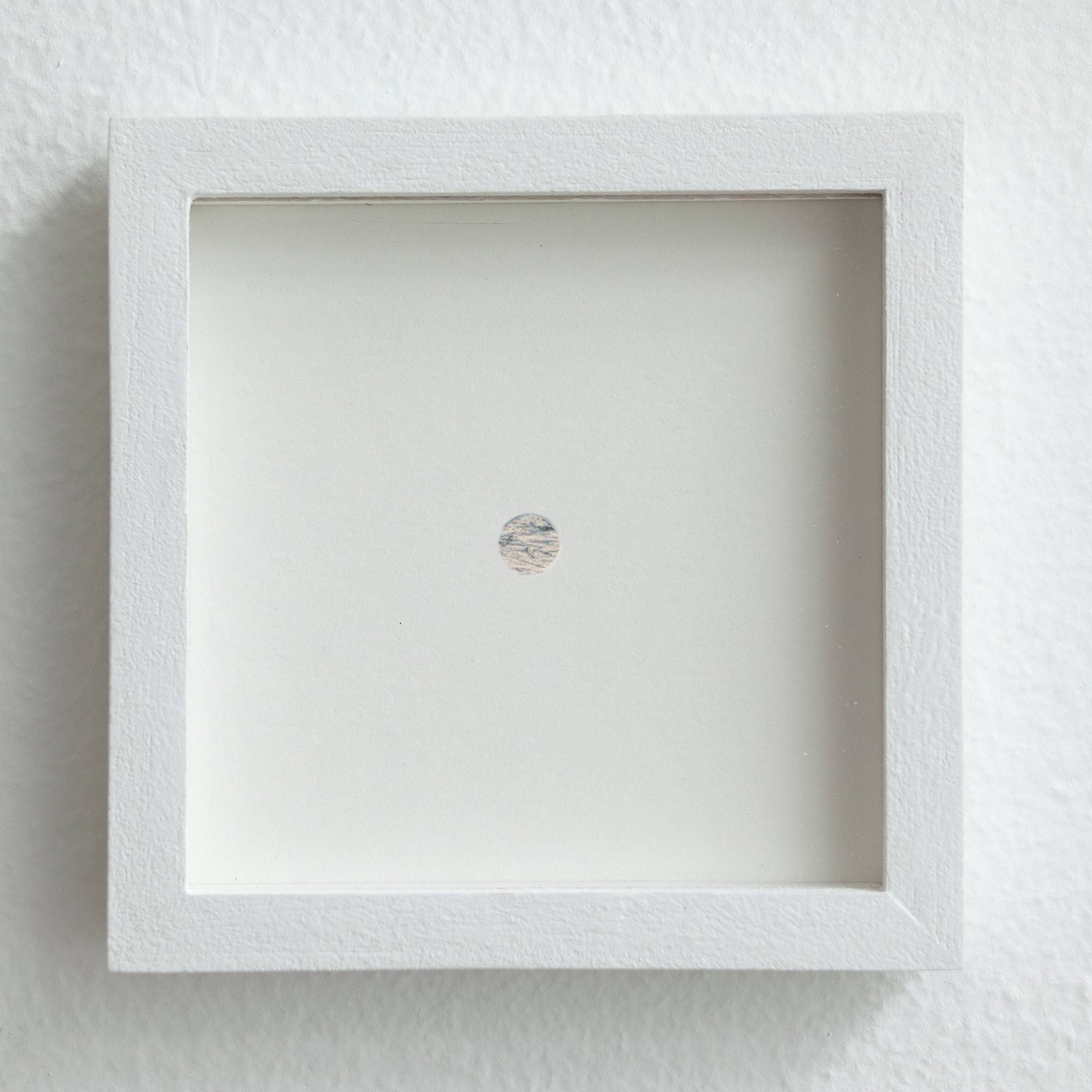
Prieto's "loopholes" simulate the idea of a peephole, through which you can only see a small part of reality — you have to use your imagination for the rest. The Cuban artist uses minimal resources for these 8 x 8 centimeter works and their titles in particular will trigger your imagination: titles such as 'Skaters on the Canal', 'Fake Van Gogh', 'A Tea with Jesus', ' Bacon and eggs', 'Summer in Russian River' and 'Accidental purchase from an online bid'. for the Loopholes, Prieto uses small fragments of everyday objects that surround him, from his visa application photo and a peso bill to a credit card and a copy of a Cézanne.
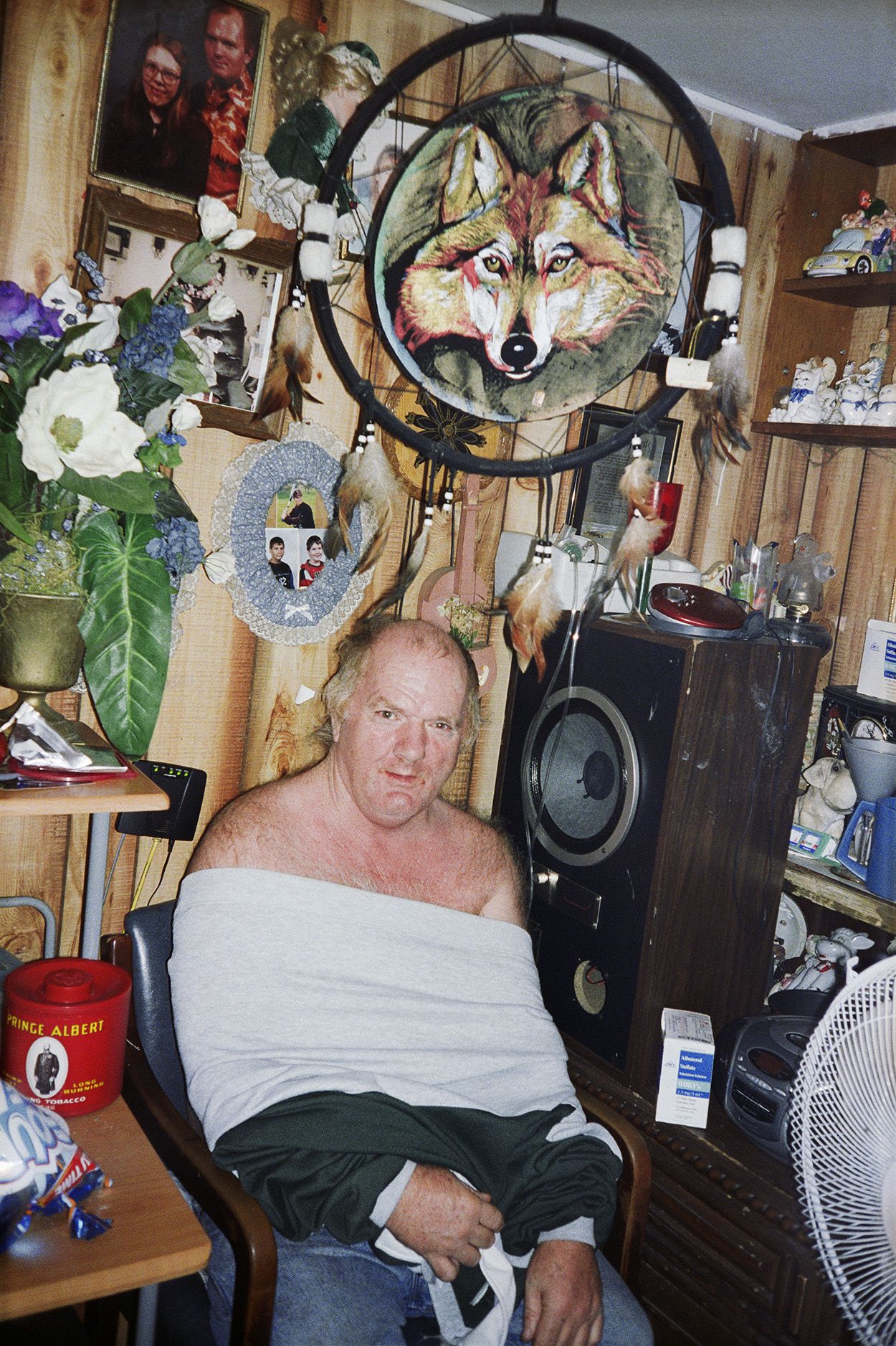
Bertien van Manen captured a series of families in rural Kentucky, near the Appalachians. They are a tangible part of a large group of poor, white Americans from red states who feel unrepresented by metropolitan politics. They’ve often enjoyed little education, they live in trailers and they generally don’t benefit from economic growth or technological progress. At the same time, they are ridiculed and mocked as being 'hillbillies', 'rednecks' or 'trailer trash’, effectively reducing them to a caricature. It's a landscape where populist politicians like Trump could take advantage of ignorance and deep-seated discontent — while he offered them a golden future and promised to fight for them. Instead, he only made rich people richer by offering them tax benefits. But Van Manen is genuinely interested in people and that is reflected in the photographs she takes. She shows an intense humanity, reinforced by the fact that she recorded these people over a period of three decades, and lived with them for longer periods. That way, she gets close to the skin and shows the people behind the caricatures.
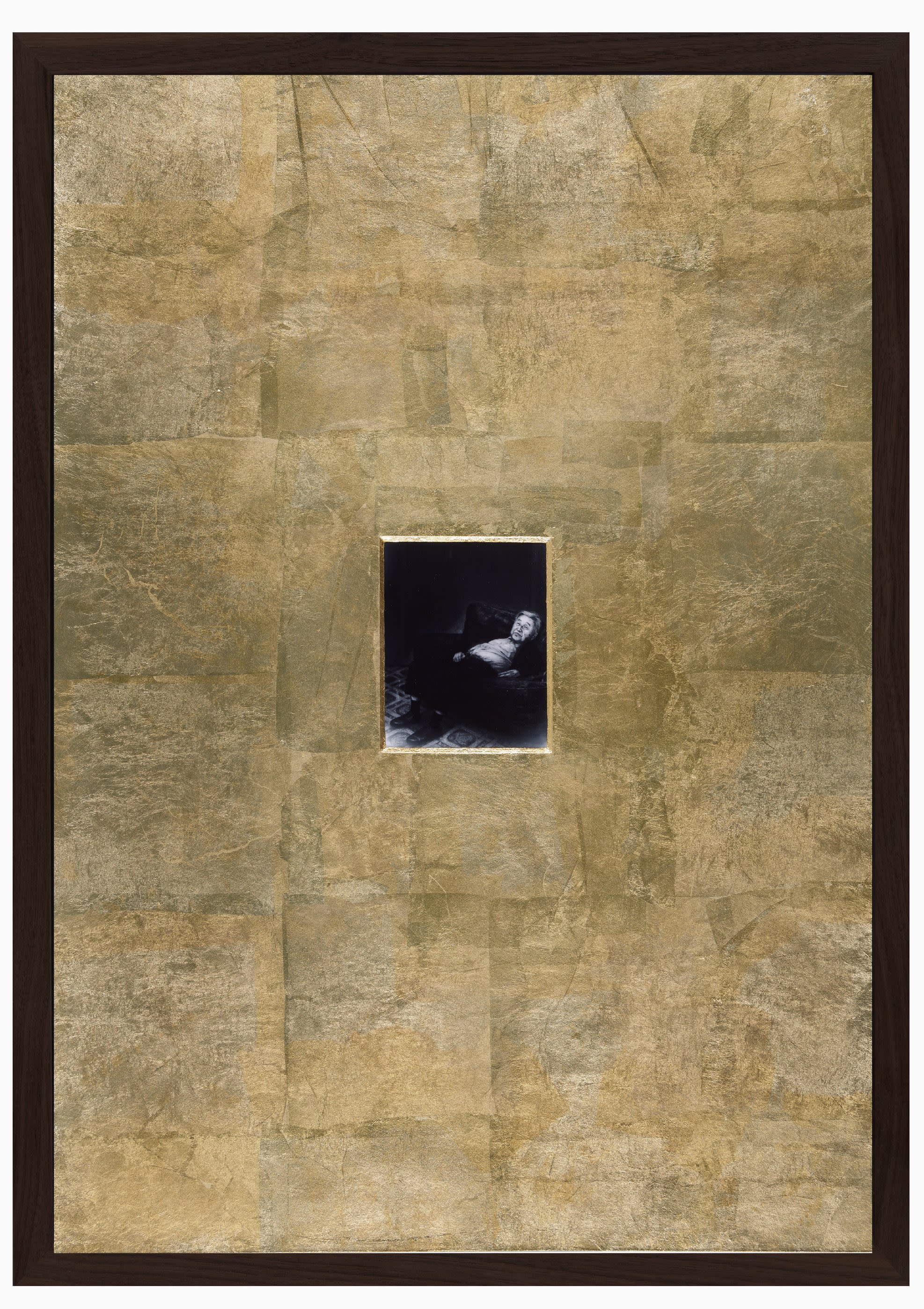
The Japanese artist Meiro Koizumi exposes certain taboos and social codes that are deeply rooted in Japanese society. He is interested in the power relations between state and citizen and asks questions about that. For the series 'Air' (2016), for example, he censored the imperial family from news photos, using oil paint. That was unheard of because to this day, the emperor enjoys a constitutional status bordering on the divine. In ‘Imperial Portrait or His Real Shadow’ (2022), on view in the online exhibition, we see a minuscule black-and-white image that is framed, nay almost overpowered, by a large golden panel. Look closer and you'll see how Koizumi has drawn the Emperor in a way that verges on the irreverent, bulging heavily on the couch, a flesh-and-blood human being, just like us. In doing so, Koizumi challenges his imperial authority.
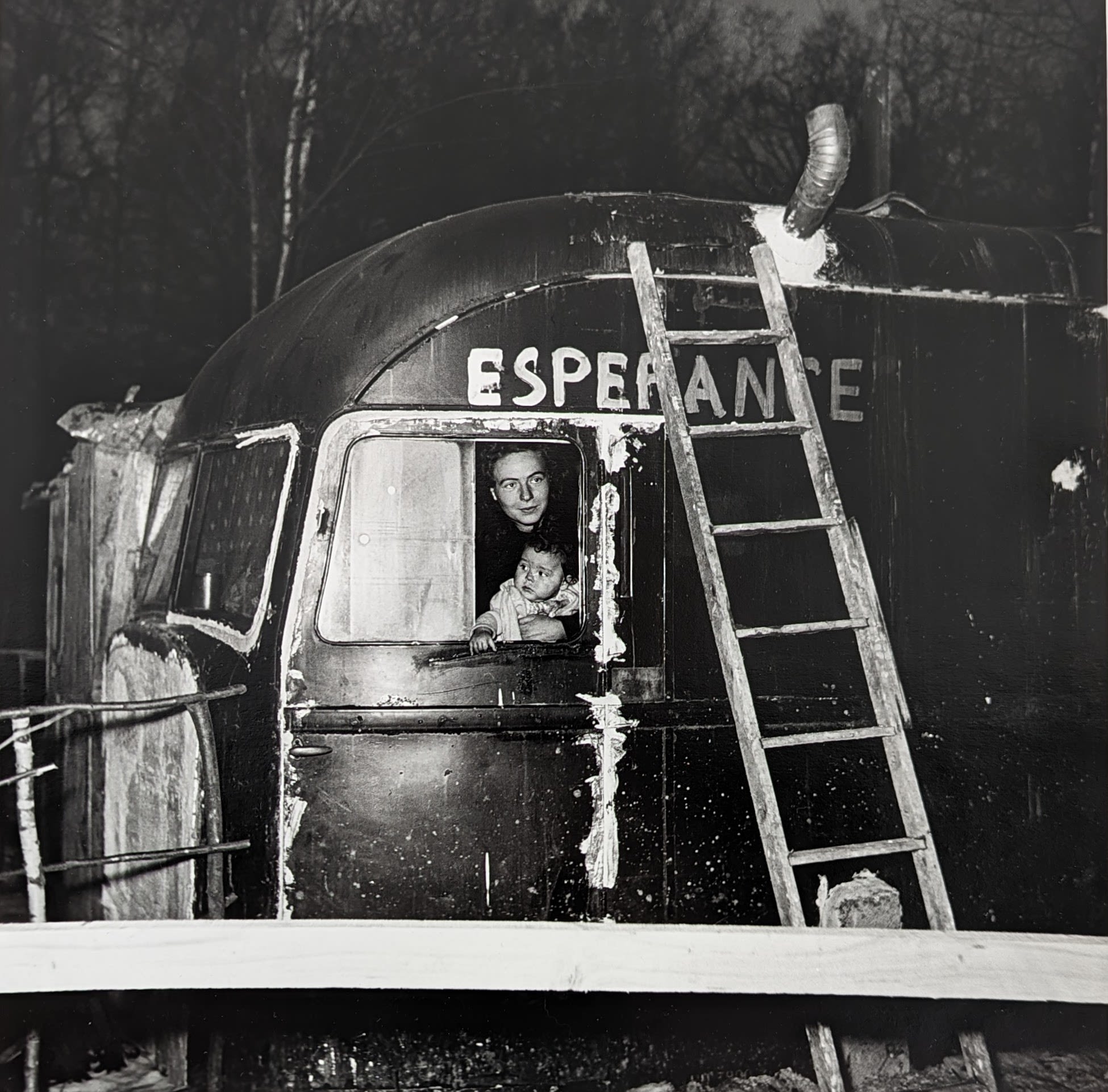
The exhibition also shows some photos by Ed van der Elsken. A photo of a mother and baby in a shabby, run-down motor home that says "hope" in Spanish. In the current socio-political landscape, an image like that suddenly obtains a completely different context. You can also see another photo with a group of birds that appears to be frozen mid-flight against a white winter landscape. Skaters on the Herengracht. A photo taken on New York's 42nd Street, where the people who are up early meet the people who are still awake — or maybe taking a little nap on the sidewalk.
