06 september 2022, Flor Linckens
On show at Unseen: the mysterious collages of Carlos Aguirre
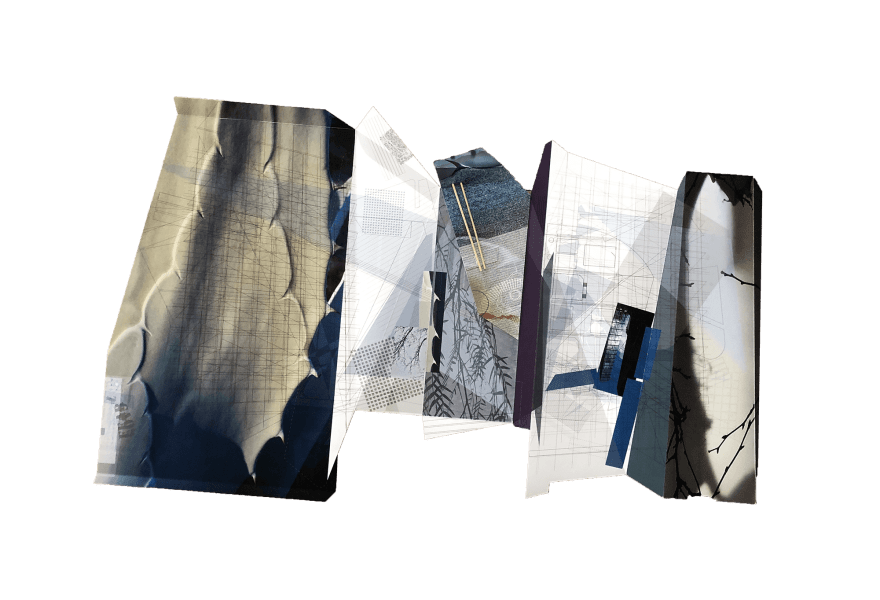
During Unseen, ALMANAQUE fotográfica from Mexico will show work by Carlos Aguirre. This artist was born in Acapulco in 1948 and is considered to be one of the most prominent and prolific artists in Mexico. He has been active since the 1970s and during this period he became a pioneer within the conceptual art scene.
In his practice he explores disciplines such as photography, installation, graphic design and sculpture, sometimes combined within a single work. Aguirre is known for his determination to push the boundaries of these disciplines and he likes to experiment with new materials and techniques. Semiotics, material, society and the ambiguity of (everyday) language have always played a central role in his practice. His oeuvre reflects his broad interests, but his works always have something in common: they are invariably based on extensive research. He will, for example, collect texts or sentences from newspapers or archives, or he’ll start his own field research with his camera in hand. Aguirre processes a lot of textual and visual information in his practice, often using photographic and graphic reproduction techniques in a combination of digital means and traditional techniques. He often manages to visualise complex social issues in a powerful way, in order to arrive at a deeper meaning.
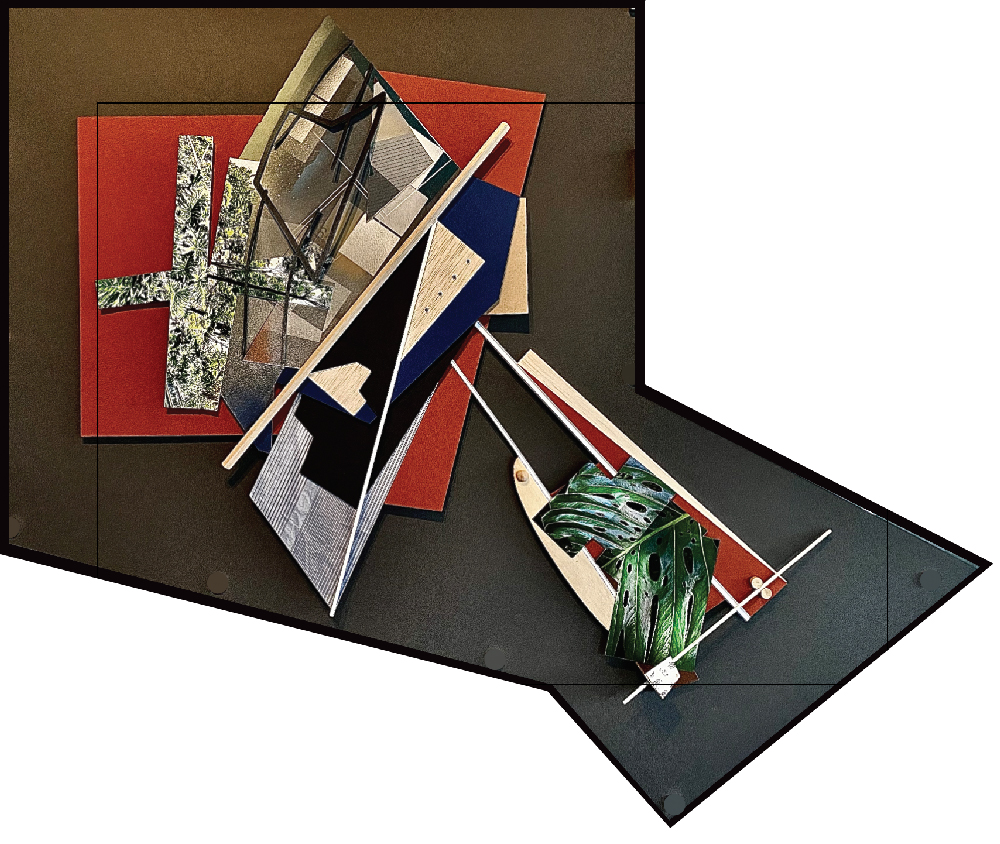
Carlos Aguirre, Metagrafías: I, 2022, ALMANAQUE fotográfica
His work has been featured in over a hundred solo and group exhibitions around the world during his distinguished career, including a retrospective at the Museum of Modern Art of Mexico in 2015. This exhibition featured critical and explicit works in which he delves deeper into Mexican history, politics and society, as well as the ways in which power is exercised and problems and injustice on a global scale. The themes from these older, activist works are still surprisingly relevant. In 1990, for example, he made a powerful installation from used work gloves that, combined, showed the profile of a worker. He called the work “Los Olvidados” (“The Forgotten”). A few years later he created the work “Equilibrio ecológico” (“Ecological balance”) (1995), in which he elaborates on the consequences of human actions on our climate. In other installations, he showed blackened (real!) human lungs above a box of carbon — Mexico City was already one of the most polluted cities in the world at that time — or a series of axes flung into a crisp white wall, to visualise large-scale deforestation. Topics such as abuse in the church were also discussed. In another installation, Aguirre reflects on the Tlatelolco massacre in 1968, when hundreds of unarmed protesters were shot dead.
For the large-scale mural “Paisaje Mexicano” (“Mexican landscape”) (2010), measuring 3 by 12 meters, Aguirre collected hundreds of newspaper clippings and violent photos about drug violence from local sensational tabloids, which he combined with 1,400 nicknames of known and unknown drug dealers. Since 2006, Mexico has been in a constant war on drugs, in which the government fights the powerful cartels. This 'landscape' of Aguirre is on permanent display at the Universidad Autónoma Metropolitana in Mexico City.
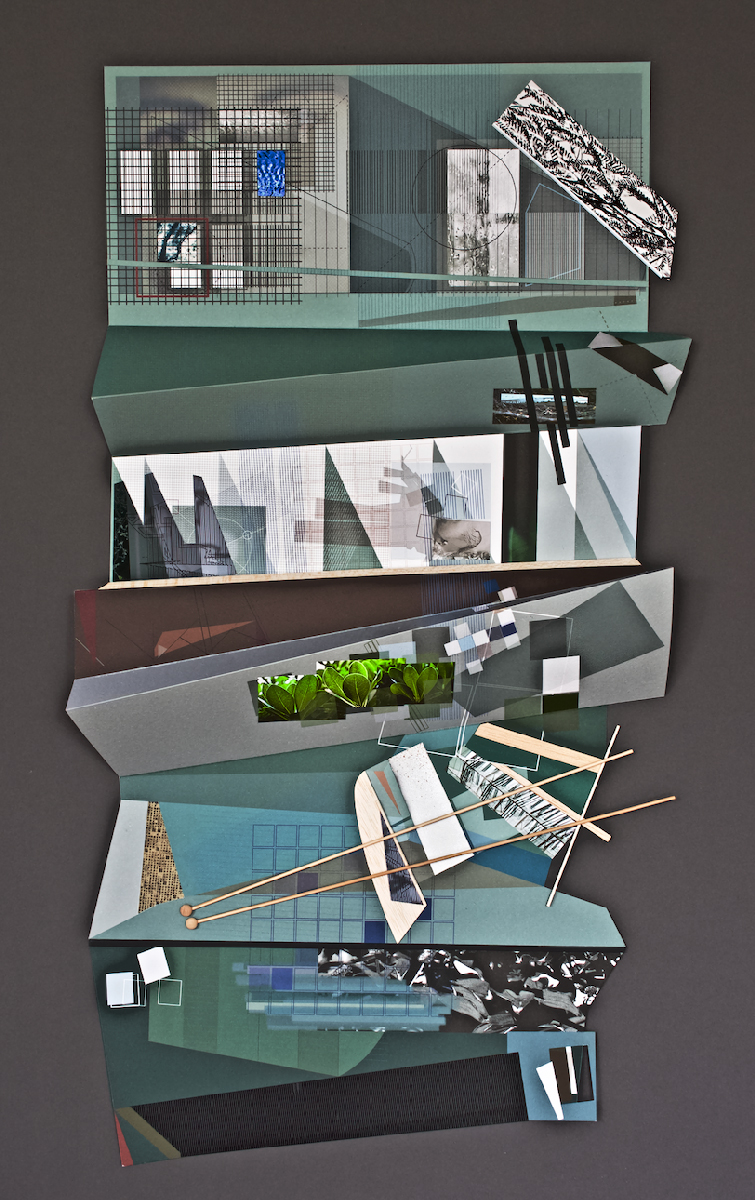
Carlos Aguirre, Metagrafías: II, 2022, ALMANAQUE fotográfica
But Aguirre is constantly looking for innovation and after the major retrospective of his oeuvre in 2015 and a subsequent move, he opted for a new artistic direction. His latest work from the “Metagrafías” series — which will be on display during Unseen — is much more about his penchant for technical experimentation and exploring the boundaries of the photographic medium and its reproducibility. Over the years, Aguirre collected a large archive of printed and digital material, which he now uses for sculptural, three-dimensional collages that he assembles with, among other things, modeling materials and magnets. At first glance, these collages seem to refer to nature, architecture and building plans, but the meanings of these works on cotton are much more mysterious and ambiguous. The dynamic and fragmented shapes, textures and folds suggest movement — and perhaps even a reference to Cubism — as if they were part of a sequence that could start multiplying again at any moment.
Aguirre initially studied industrial design in Mexico City, followed by a master's degree at the Central School of Art and Design in London, which merged in 1989 to form what is now Central Saint Martins. Aguirre has represented his country several times at biennials, including the Paris, Havana and São Paulo Biennale. In 1994, he was awarded a prestigious Guggenheim Fellowship, an annual grant awarded to people "who have demonstrated exceptional capacity for productive scholarship or exceptional creative ability in the arts”.
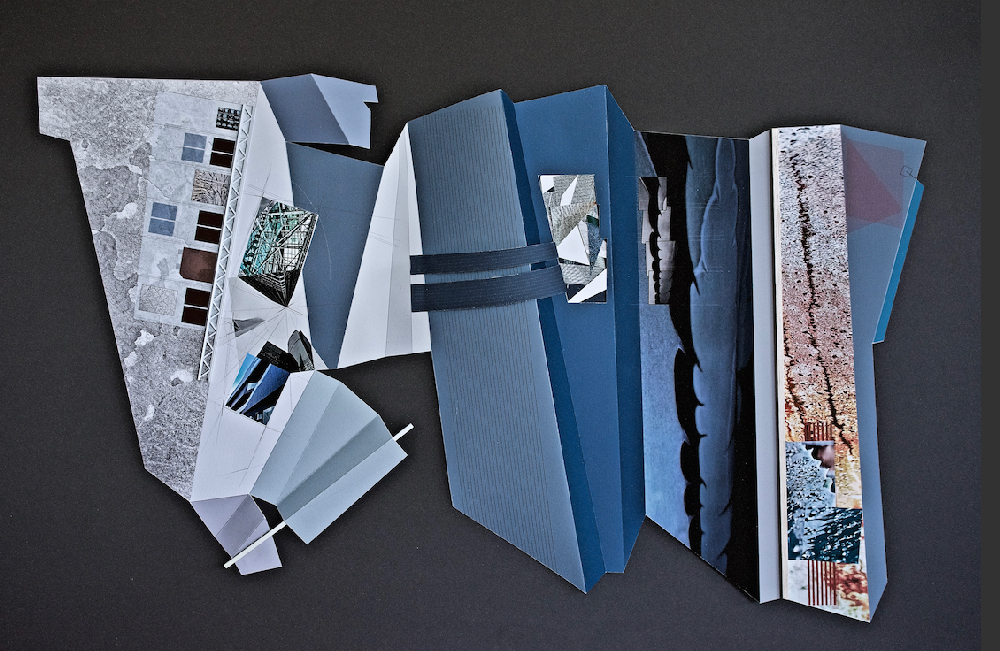
Carlos Aguirre, Metagrafías: IV 2021, ALMANAQUE fotográfica
