16 september 2025, Flor Linckens
Jan Pypers: fragments of a dream
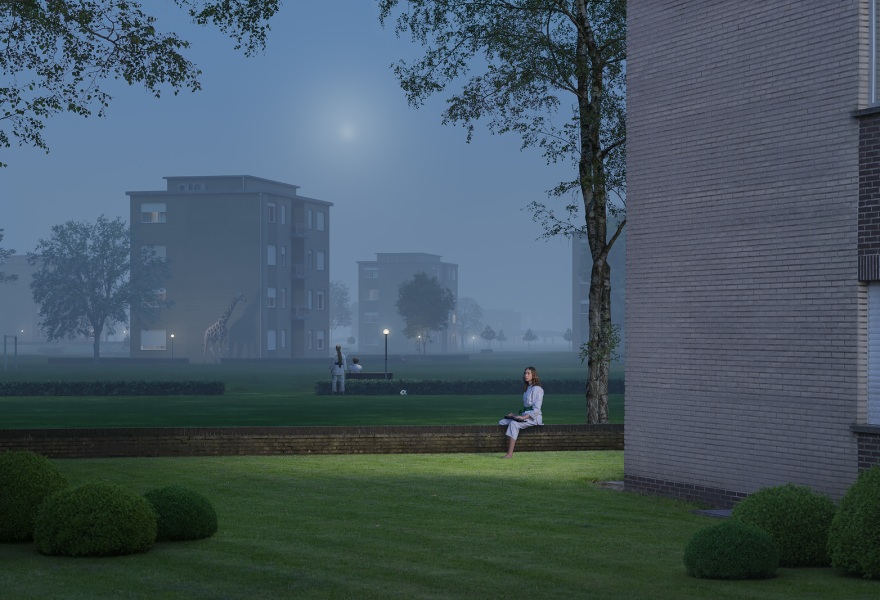
Jan Pypers is known for his cinematic, poetic and mysterious images that balance between reality and imagination. When viewing his photographs on a phone or computer screen, it is almost impossible to believe that these are depictions of painstakingly constructed scale models. Pypers uses his images to gain hold of what we normally cannot grasp: our memories, but also our disrupted relationship with nature. The Belgian photographer builds elaborate models reminiscent of film sets, photographs them and subsequently destroys them. Only the photograph remains, a fleeting trace of memory, briefly made tangible. Like fragments of a dream.
Until 16 November, the work of Jan Pypers (represented by Contour Gallery) will be on view during the third edition of the Internationale Fotobiënnale Oostende. This biennial is spread across the city, from a fort to a church, and features over thirty Belgian and international photographers on twenty locations. Curator Stephane Verheye chose light as the central theme for this edition: both technically and poetically the essence of photography.
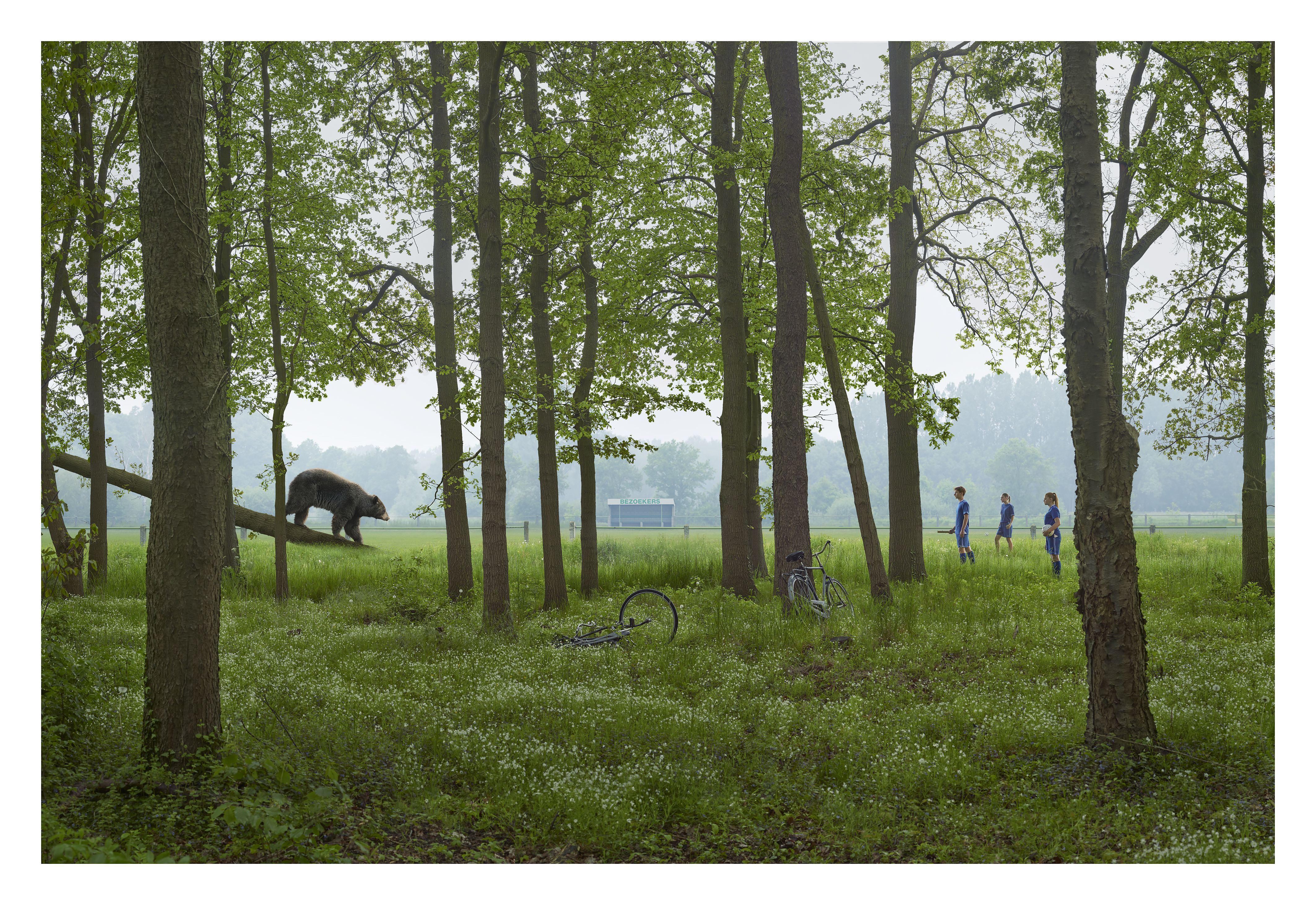
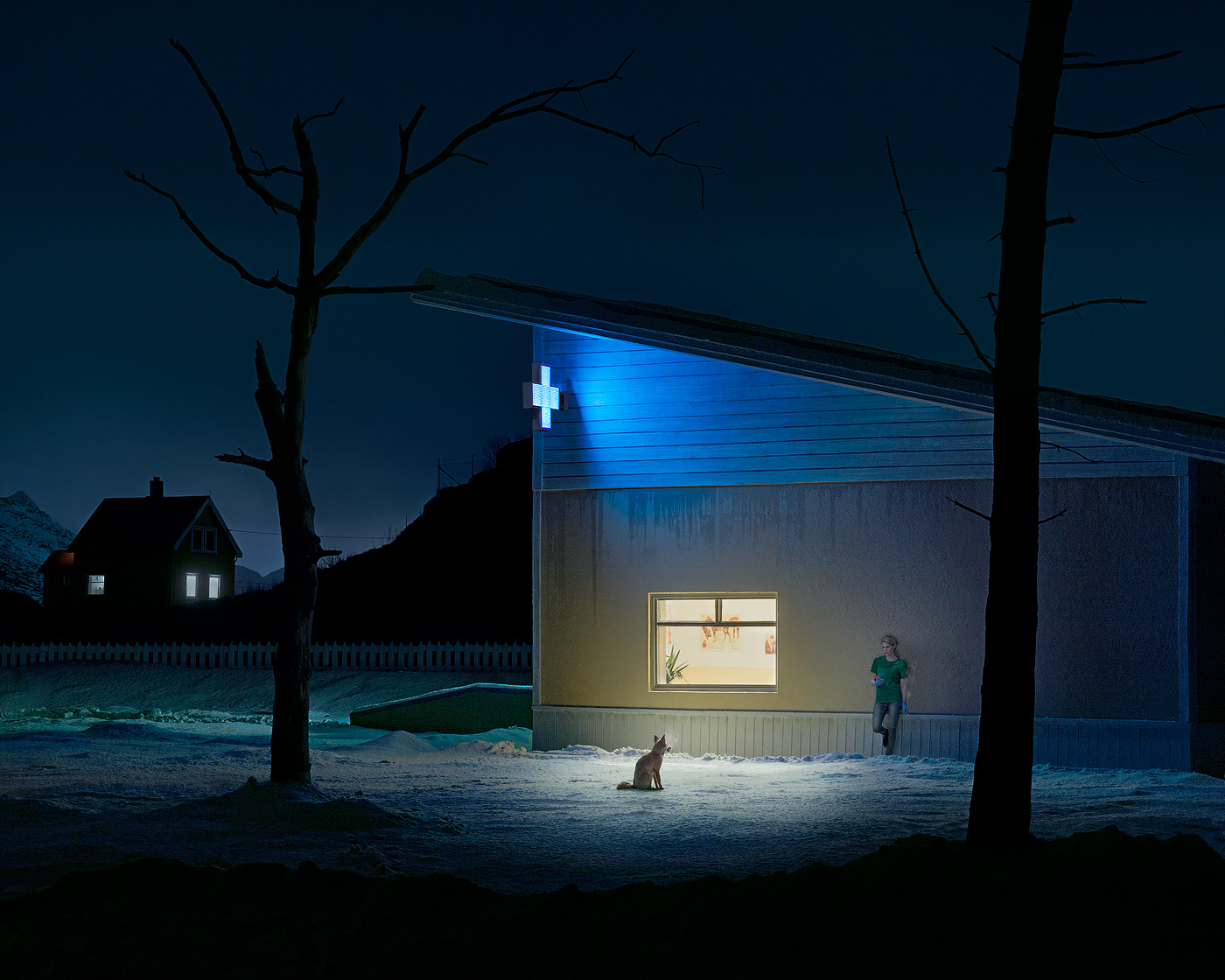
Pypers is particularly known for his two ongoing series: "Nightgardeners" and "Diorama". In "Nightgardeners" (2016–) nocturnal scenes take centre stage: people gardening in the dark or engaged in seemingly innocent yet strangely unsettling activities, made uncanny by their nocturnal context. The images appear intimate, moody and dreamlike, yet are imbued with an unheimlich feeling that cannot be easily explained. They follow an internal logic that only makes sense in dreams. His most recent project, "Diorama" (2023–), explores our estranged relationship with nature. Inspired by the beautiful yet artificial display cases from natural history museums (originally designed in an effort to reconnect people with the natural world) Pypers creates his own sets. Using artificial light and forced perspective, he conjures the illusion of depth and authenticity. That way, the diorama becomes a metaphor for the way we now look at the world: through digital filters and blue screens, in artificial environments that glorify and beautify nature, while simultaneously removing us from direct experience. It is this alienation that the artist seeks to challenge.
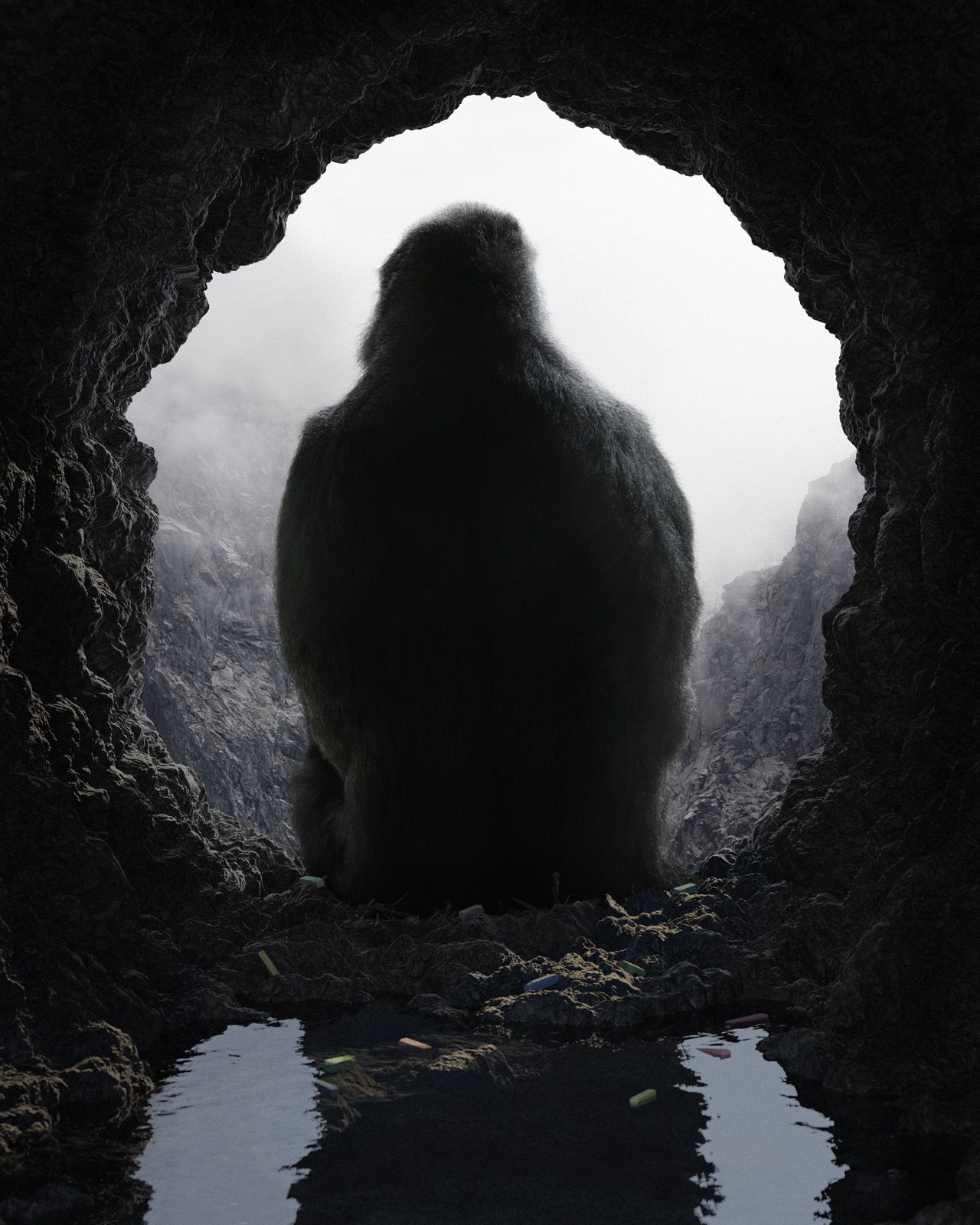
Photographers today increasingly work across mediums, combining analogue and digital techniques in innovative ways. Pypers follows that same tradition, creating meticulously crafted scale models for his photographs that resemble film sets. His background in the film industry gave him a sharp cinematographic eye and introduced him to the possibilities of stage design, including techniques such as forced perspective. Pypers constructs his models in his attic, often using materials such as wood, papier-mâché and stone, with careful attention to the smallest details. Once the image is shot, he destroys the model, leaving the photograph as the only proof that this miniature world ever existed. In his practice, the artist combines classical film techniques with subtle digital editing, for example to merge different images, allowing him to retain complete control over cinematic components such as light, perspective and atmosphere. He does not make use of 3D graphics or artificial intelligence: the tangible, physical construction of his sets forms the very core of his work.
His images often originate from a childhood memory, which he transforms into an entirely new image. In doing so, he explores how memories fade and shift over time, often without our noticing, and how they, like his images, hover between fact and fiction. This duality imbues his work with both recognition and estrangement, with doubt and confusion. Small details are slightly off, generating tension, while at the same time the photographs radiate intimacy and beauty.
This reflects the complex nature of memory itself. Over time our recollections take on a life of their own, constantly reinterpreted and reshaped. We tend to most vividly remember the moments that are tied to strong emotions. During such experiences, hormones like adrenaline and cortisol are released, triggering synchronous firing of neurons in the brain. Neurological research shows that's why emotionally charged memories are often deeply engraved in our brains. Yet even those are never fixed: they evolve as we ourselves change, when we encounter a photograph of the event, or hear a different account of what happened.
Pypers: “I try to give reality a certain twist, because over the years we tend to colour our memories. I transform a memory or a feeling into an image. As a child I once stood eye to eye with a huge wild deer in the forest. At that moment I felt a deep connection. I felt frightened, but it was also profoundly beautiful.”
The artist always leaves room for interpretation. He regards his works as short films, as incomplete shots that invite the viewer to finish the unfinished story – or to imagine what may have happened moments ago.
Jan Pypers was born in Knokke-Heist in 1982 and currently lives in Westerlo, just east of Antwerp. Initially trained as a film producer, he learned to analyse the moving image in all its facets. His work has been published in Vice, Volkskrant Magazine, Der Spiegel and L’Œil de la Photographie, and last year he was awarded the title of Hasselblad Master for his series "Diorama". Last year, Jan Pypers was interviewed by Wouter van den Eijkel for GalleryViewer. Read the interview here.
