08 august 2023, Flor Linckens
The magic of twilight: a mysterious exhibition in Frank Taal Gallery
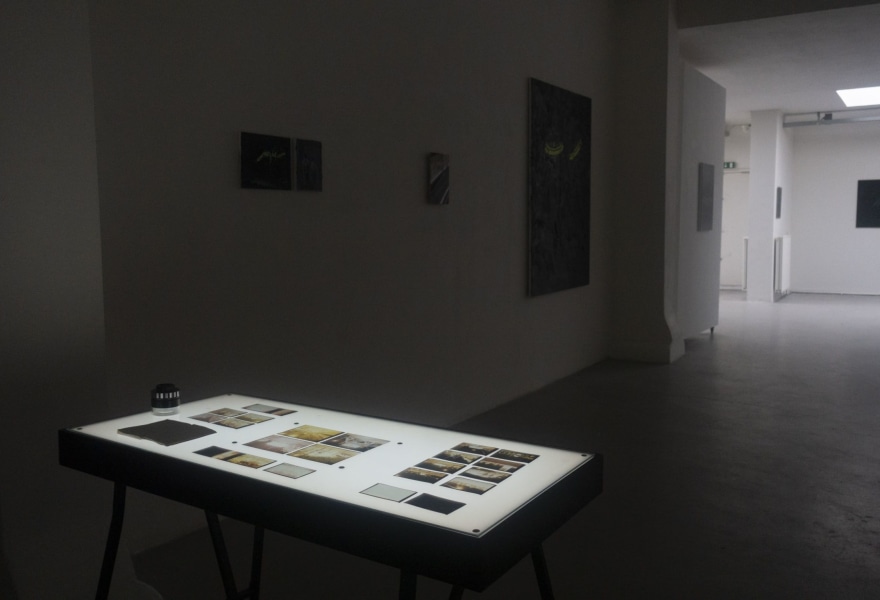
Until 27 August, you can explore a mysterious exhibition in Frank Taal Gallery in Rotterdam: only on Thursdays, Fridays and Sundays and only during dusk. The exhibition 'Dämmerung' makes us reflect more consciously on this transitional moment.
The evening twilight, a moment where day and night merge, is enveloped in a certain mystique and beauty. Part of the mystery lies in its elusive nature. It is an ephemeral moment that forms a bridge between two worlds: the bright and familiar day, and the silent and unknown night. The shadows lengthen, and the last light plays with our senses, blurring shapes and colours and sharpening our senses at the same time. Evening twilight can also symbolise the unknown and the invisible. In many cultures and stories, this time is associated with a certain magic and mystery. In the silence and tranquility that the evening twilight brings, some find a moment of reflection and rest. Others are attracted to the mystery and the unknown. The combination of this beauty and underlying symbolism makes twilight a moment that has inspired artists and writers for centuries. Despite being a daily occurrence, there remains a promise of enchantment.
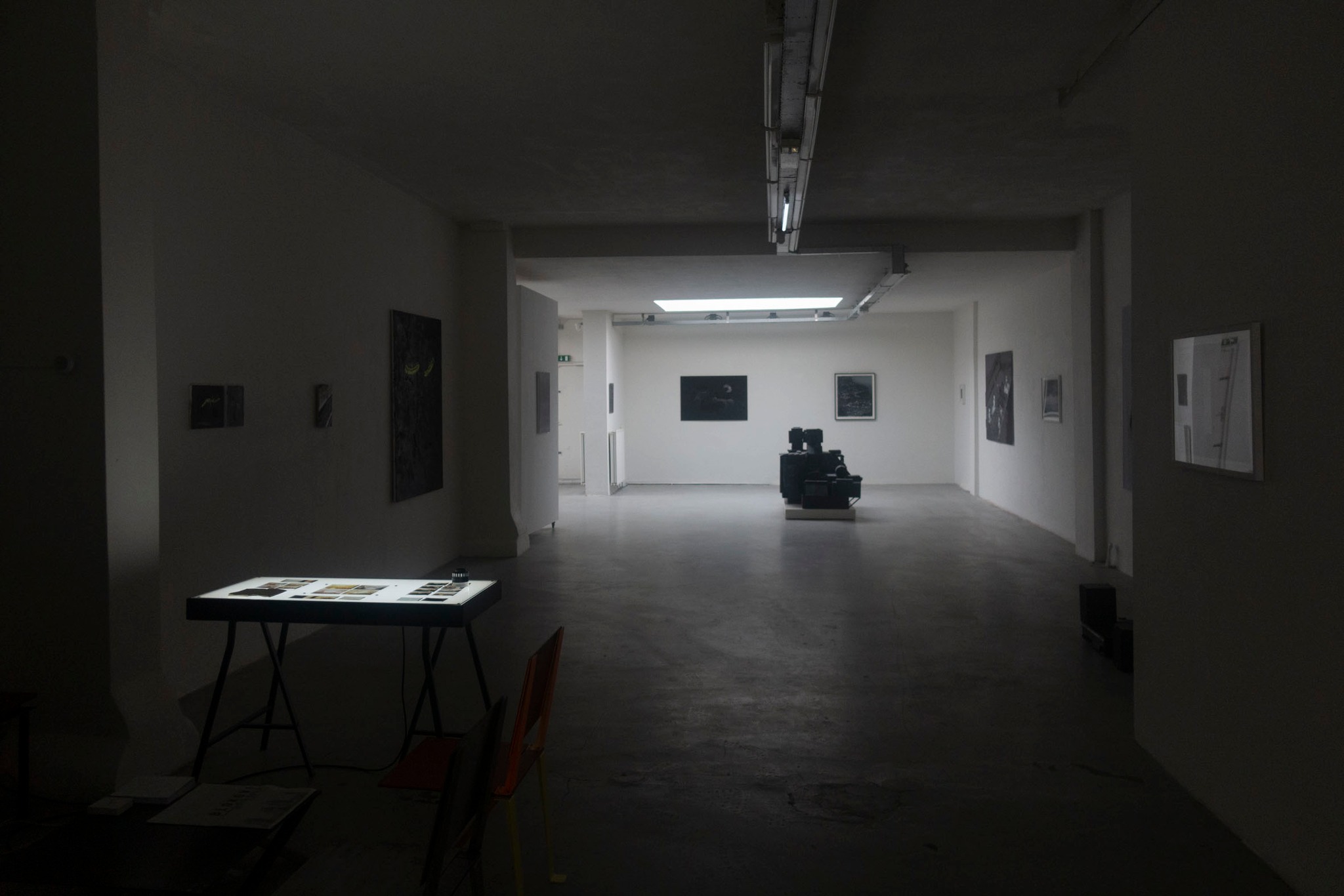
At the beginning of the exhibition, the works are still illuminated by the remaining daylight, but towards the end, you may have to use your own lights. Since the longest day of the year (June 21) is behind us now, the days will also become shorter during the summer. However, the exhibition will never be completely shrouded in darkness, since the city of Rotterdam is never completely dark either.
The limited availability imbues the exhibition with a sense of exclusivity: as a visitor you have the feeling that you are part of something special, an immersive experience. Viewing art at dusk also sharpens other senses: you become more aware of sounds, smells and textures. Because the artworks also contain themes about transition, mystery or reflection, the evening twilight reinforces these themes, allowing you, as a visitor, to feel a deeper and more personal bond with the works on show.

Even in daylight, the works of the Belgian artist Pieter Jan Martyn appear somewhat dusky, as if you are looking at an event or memory through your eyelashes. Historical photos are often the starting point for his work. He is also interested in his subconscious and previously worked with a hypnotist for a while. The cyanotype installations of recently graduated artist Vincent Zanni refer to memories that are slowly fading.

Sometimes, that twilight is interpreted more figuratively, as in the work of Aldo van den Broek, who delves deeper into the transitional period in Eastern Europe that followed communism. Some works, such as "Palimpsest", are inspired by the iconic Brutalist architecture in the Eastern European landscape. Marcel Wesdorp is known for his mostly monochrome digital landscapes, for which he uses 3D software, cartography, satellite data and topography. The resulting landscapes are lonely and timeless and underline the insignificance of man.
The exhibition shows work by Aldo van den Broek, Jessica van Deursen, Otto Egberts, Jasper van den Ende, Johnny Mae Hauser, Daan den Houter, Marilou van Lierop, Pieter Jan Martyn, Mike Ottink, Marcel Wesdorp and Vincent Zanni.

