31 july 2026, Flor Linckens
Thirty years of activism: the uncomfortable mirror of TINKEBELL.
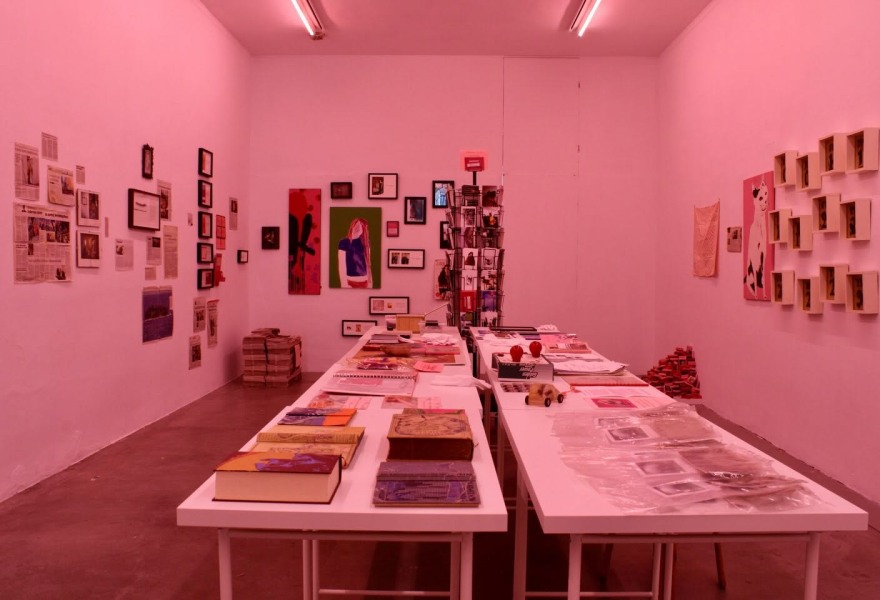
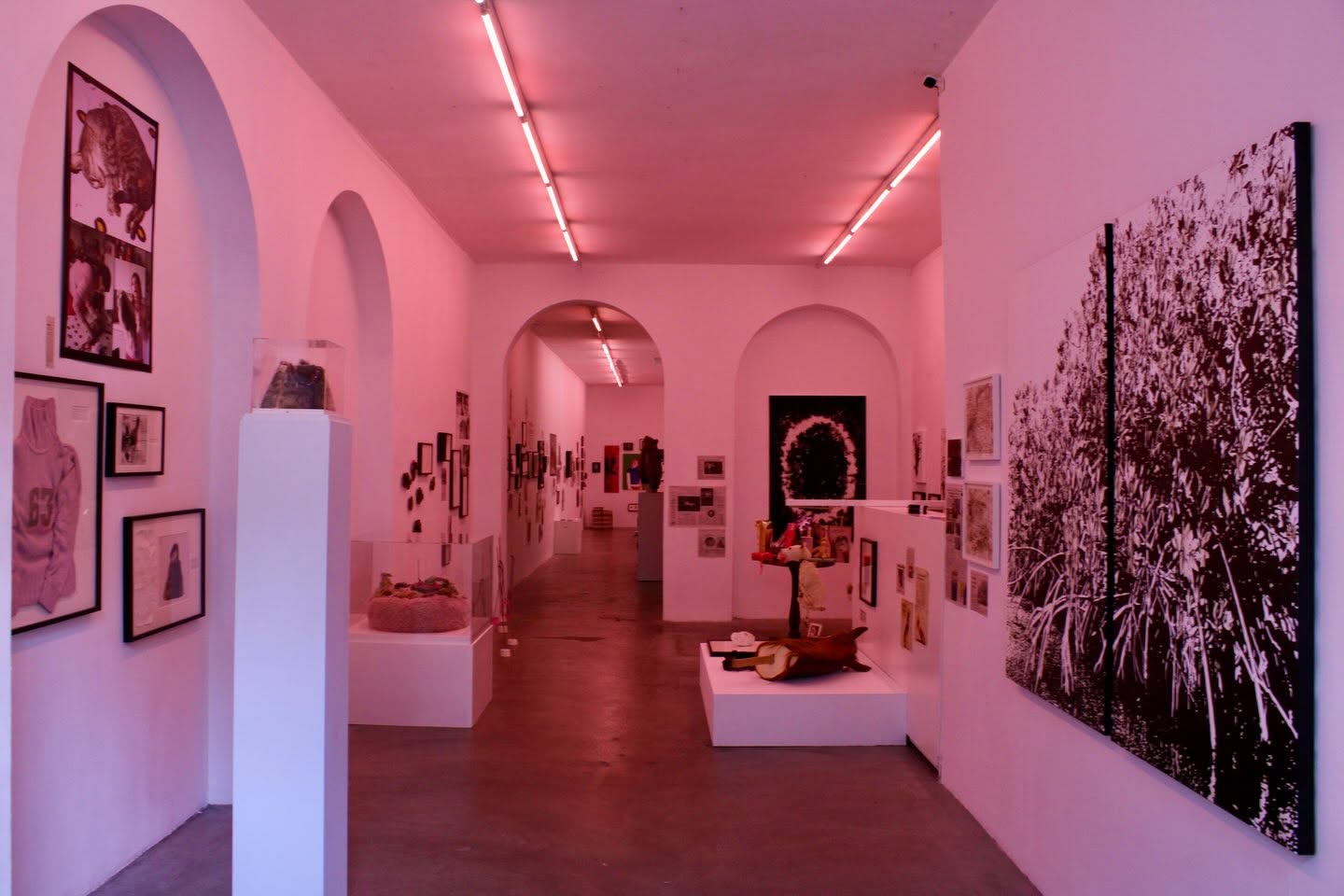
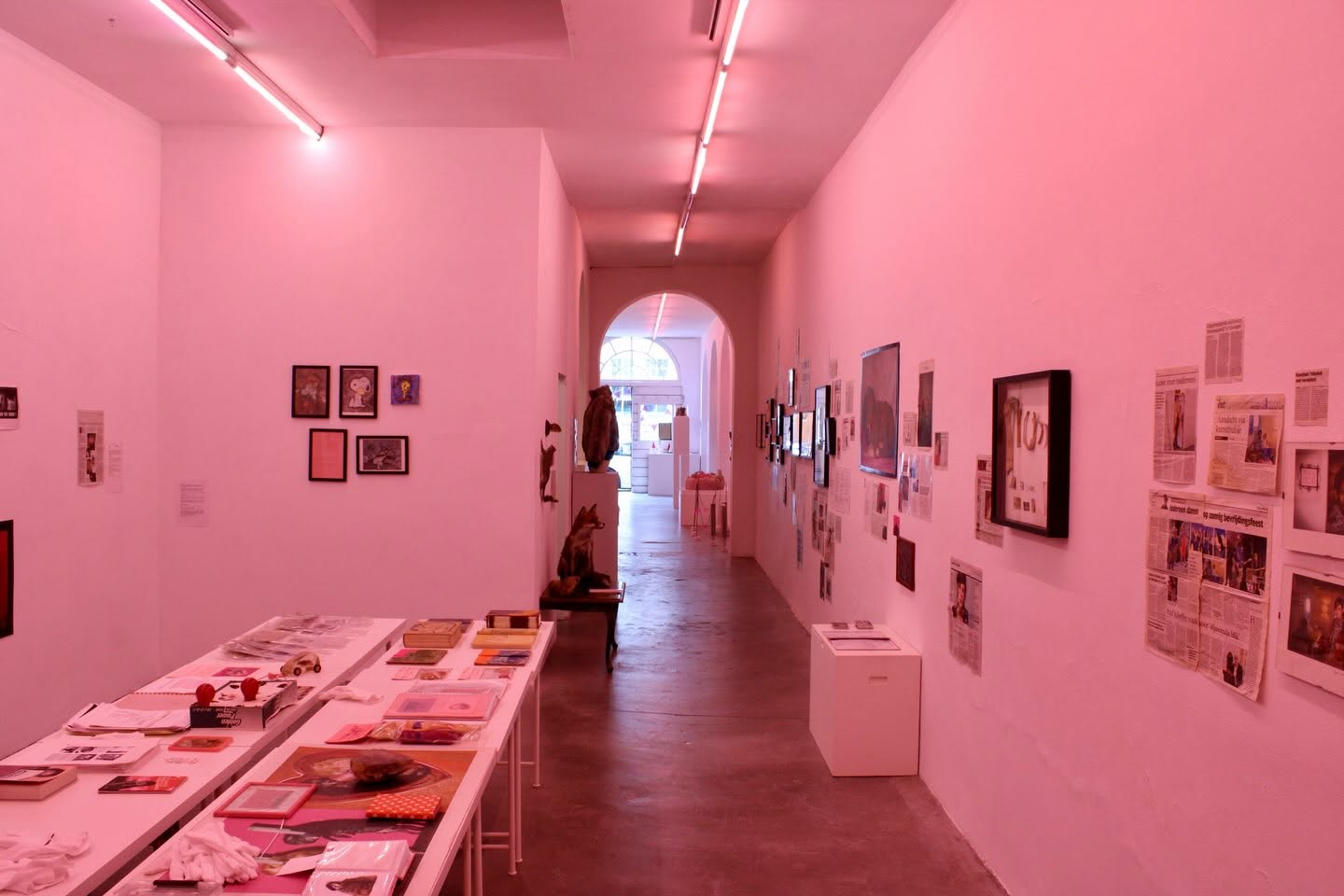
Until 15 August, Torch Gallery in Amsterdam is celebrating thirty years of TINKEBELL.'s artistic practice. In 1996, the activist artist presented her very first exhibition in a bed linen shop in Goes and the rest is history. The work of this outspoken and uncompromising artist has often sparked fierce reactions because she refuses to shy away from sensitive social issues. Yet controversy has never been an end in itself. Instead, she uses her work to shake us out of our complacency and challenge the assumptions and moral convictions that underpin our thinking. After all, there is an intriguing and uncomfortable tension between what we claim to value and how we actually behave, especially when an issue feels distant or when it concerns our own actions.
In her early work, TINKEBELL. frequently examined our relationship with animals and the contradictions that hide underneath. Why do we cherish some animals as pets while accepting that others suffer for our dinner or our leather handbag? In this context, she made a handbag from her terminally ill cat Pinkeltje, whose life she ended. The work resulted in hundreds of thousands of hate messages and even death threats, which she later collected, together with the names and profiles of their authors, in her book 'Dearest TINKEBELL.' (2009). The publication is now part of the collection of the Rijksmuseum Research Library. For the exhibition 'Save the Pets', she placed 95 hamsters in hamster balls for four hours. The animals were confiscated and although it appeared that TINKEBELL. would face a fine, she was ultimately acquitted because it could not be proven that the animals' health had actually been harmed. At the same time, the artist rescued dozens of chicks, turtles and other animals from certain death.
In doing so, TINKEBELL. seems intent on exposing the wider system that surrounds animal ethics and the double standards that come with that. It is, at the very least, remarkable that a single artist (and importantly: a woman), has faced such far-reaching personal consequences while hardly anyone talks about the Dutch meat company JBS for instance. According to Pointer, KRO-NCRV's investigative journalism platform, JBS is "the world's largest meat producer, responsible for deforestation in the Amazon and linked to corruption, fraud and child labour. Last year, the company was also caught exporting hormone-treated meat to Europe." Moreover, JBS also produces the plant-based products sold under the Vivera and De Vegetarische Slager brands, meaning that even vegetarians remain part of this system.
In recent years, TINKEBELL.'s practice has increasingly shifted towards ecological and social research. That research regularly takes her far beyond the confines of the art world. She has conducted research in Fukushima, investigated disinformation, travelled to Afghanistan, campaigned for the Dutch Child Pardon and for the position of artists, examined Dutch and international refugee policies and made a film about phosphate shortages and the future of our food supply, for which she underwent sterilisation herself.
In addition, TINKEBELL. has spent years investigating the impact of heavy industry on people and the environment. She used fine particulate matter collected around the Tata Steel plant as pigment for a series of paintings, a project that literally made her ill, and worked with waste from the Asphalt Lake left behind by Shell in Curaçao. The project "Oleum Shell Isla de Curaçao" also reveals how environmental damage, economic dependency and colonial history are inextricably intertwined. For these projects, TINKEBELL. works closely with local residents, scientists, activists and policymakers. The exhibition 'Happy Birthday TINKEBELL.' brings together these different phases of her oeuvre, offering visitors an intriguing insight into the evolution of her ideas and artistic practice.
TINKEBELL. (the pseudonym of Katinka Simonse) was born in Goes in the Netherlands in 1979 and graduated from the Sandberg Institute in Amsterdam. Since 2025, she has been a member of the Akademie van Kunsten, part of the Royal Netherlands Academy of Arts and Sciences (KNAW).
