26 may 2026, Flor Linckens
The skin as metaphor in ‘Skin’
Until 5 July, Galerie Bart in Amsterdam presents the exhibition ‘Skin’. The group show was curated by Jochem Rotteveel, an artist who has been connected to the gallery for many years. This creates an intriguing dynamic: where a traditional curator often approaches a show from the outside, searching for conceptual threads and overarching connections, an artist tends to work far more intuitively, guided by material, process and the attempt to capture a certain feeling. As a result, unexpected relationships emerge between practices that may not initially seem naturally connected. The outcome is an exhibition in which material, surface and physicality weave through the space as a subtle undercurrent.
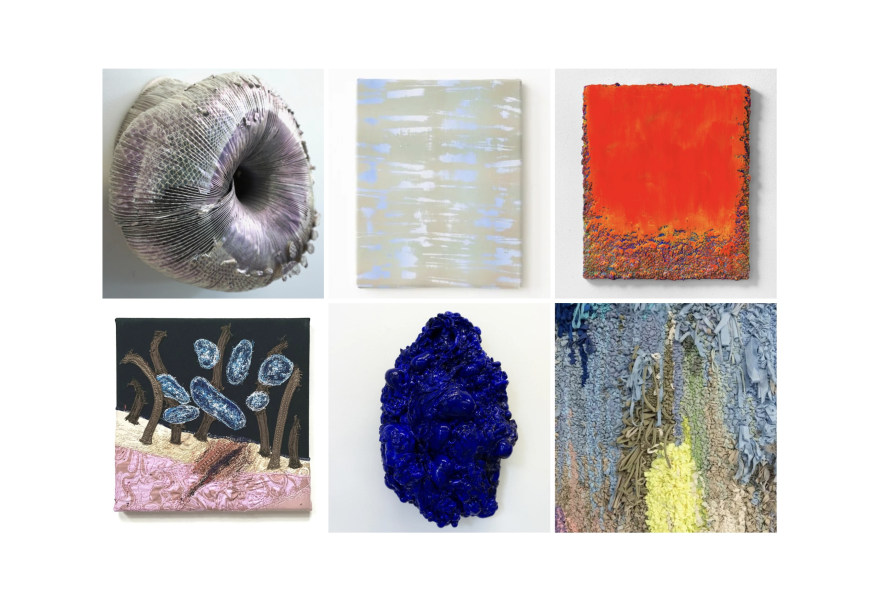
The exhibition features work by Lawrence James Bailey, Willem Boel, Akihiro Boujoh, Iris Bouwmeester, Paco Dalmau, Barbara Helmer, Nikki Krul, Tim Mastik, Sander Reijgers, and Nomin Zezegmaa — who recently received the Vogue Women’s Prize.
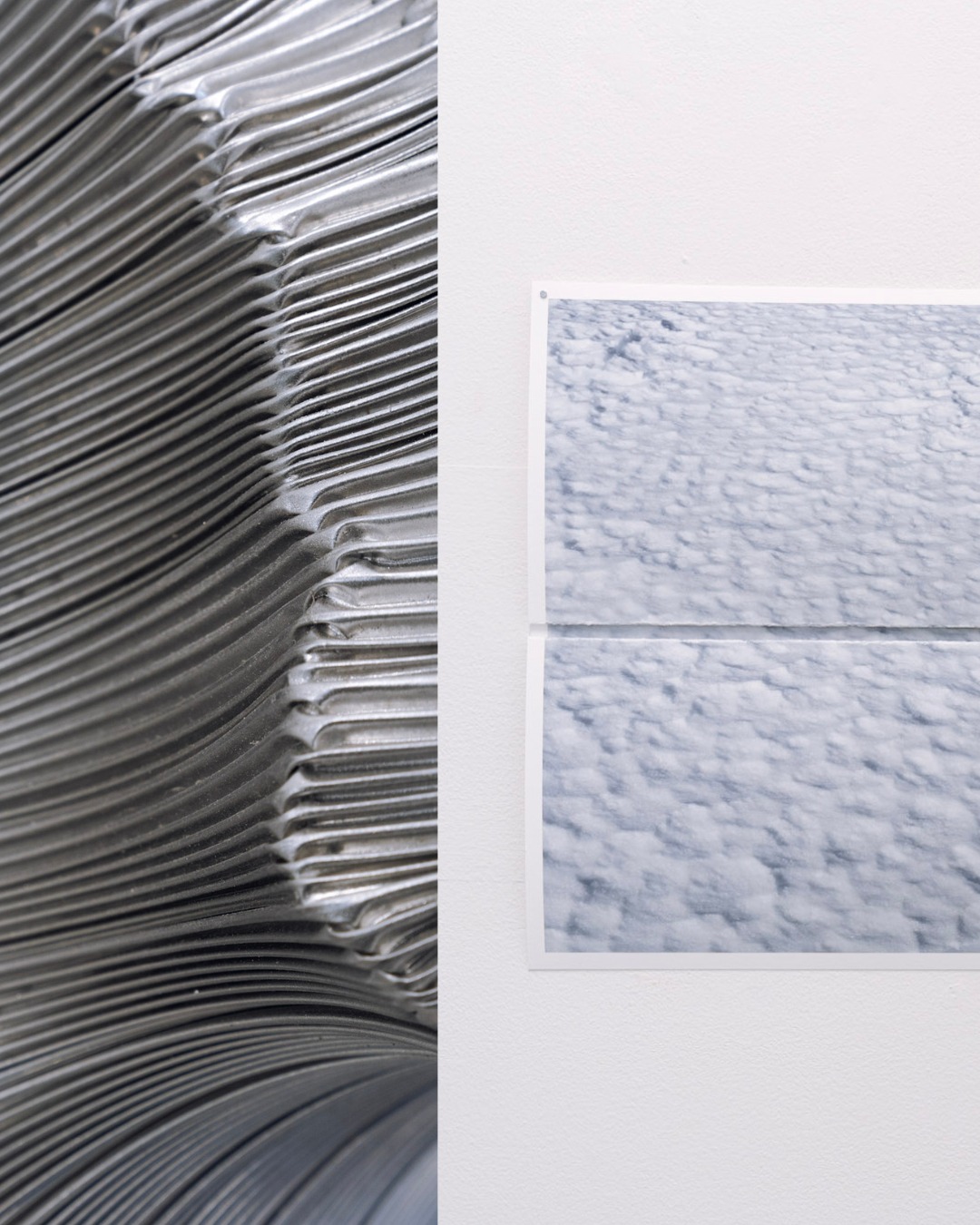
In a sense, our skin functions as the porous boundary between our inner and outer worlds: it protects, wears down over time, heals, responds to everything that touches it and reveals traces of the life we have lived. Our skin responds not only to physical stimuli, but also to emotions and memories: goosebumps while we listen to music, a sudden shiver or that rare, almost magical moment when something affects you physically before you can fully explain why. Our skin exists in constant relation to our body and the world around us, much like artworks relate to themselves, their surroundings (and context) and the viewer who encounters the work.
‘Skin’ brings together a group of artists who do not consider their material to be a neutral medium, but a metaphor, something that carries its own memory, temporality and physical presence. How do materials behave once they are approached as something living, porous and constantly shifting? What does a surface look like when it becomes more than just an outer layer? And where exactly does that surface begin and end? ‘Skin’ invites us to look beyond what is immediately visible, towards whatever is unfolding beneath the surface.
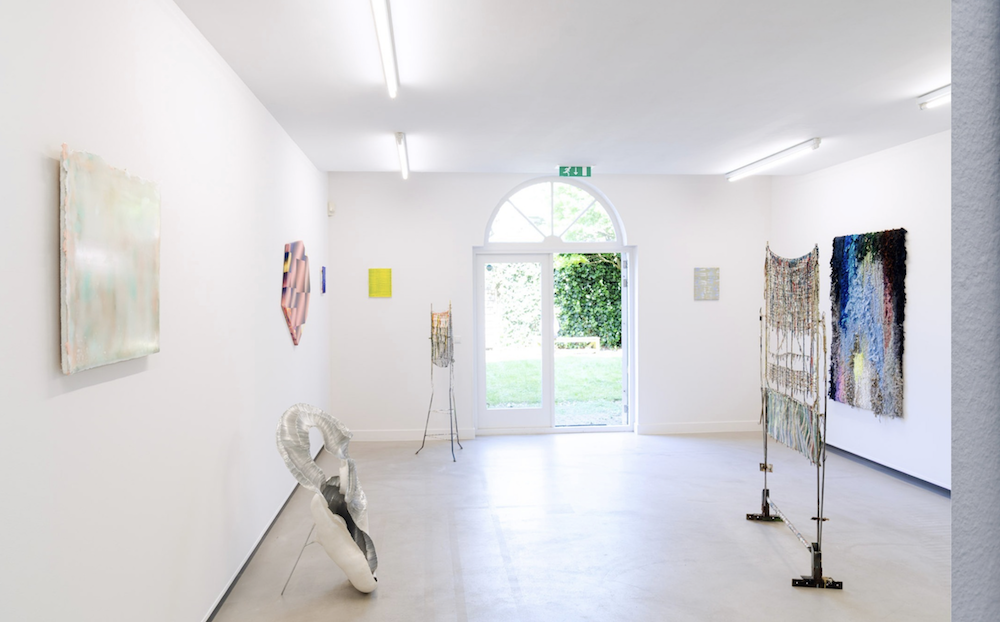
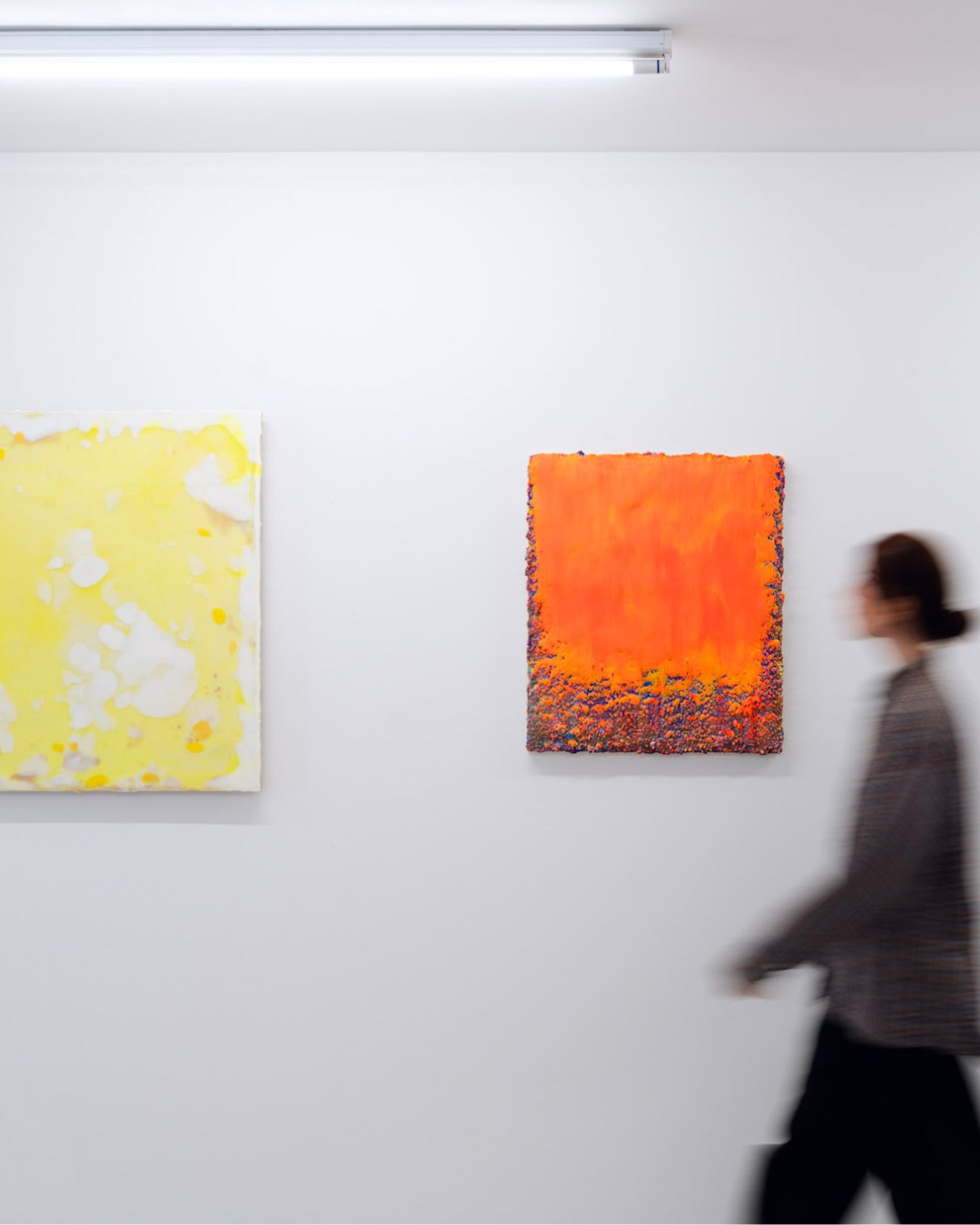
What immediately stands out in the exhibition is the diversity of materials on display. Tufted textile works appear alongside glossy resin surfaces, fragile sculptures, sensory installations and paintings in which paint almost turns into an autonomous object. Yet the exhibition feels remarkably coherent, perhaps because many of the artists engage with similar questions in very different ways. Several works incorporate materials that appear to move, wear down, grow or gradually change state. These are not static surfaces, but materials marked by accumulated layers of time and touch. The artistic process often remains visible within the final work.
In the exhibition text, Rotteveel writes: “The title refers to the skin: that protects, connects, and at the same time exposes. In this exhibition, the skin is approached not only literally, in terms of material use, but also as a metaphor for how artworks relate to us, as something we can see, but also feel and experience.”